
Home » The Ultimate Guide to Motorised & Smart Zipscreen™ Balcony Blind Systems in Singapore: Safety, Costs & Smart Home Integration
A Guide to Motorised and Smart Zipscreen™ Balcony Blind Systems

Elevating Your Singapore Home with Seamless Outdoor Automation
Transforming your balcony from a dusty, rain-splashed area into a functional living space requires more than just a cover—it requires a system. This guide explores the engineering behind motorised Zipscreen™ blinds, comparing them against manual systems and diving deep into smart home ecosystems like Apple HomeKit and Google Home. Whether you are looking for wind protection in a high-rise condo or seeking to lower your home’s thermal load, we break down the costs, reliability data, and “traps” every Singaporean homeowner must avoid.
A Comprehensive Guide to Motorised and Smart Zipscreen™ Balcony Blind Systems
More Than a Luxury – The Safety and Convenience of Motorisation
In the humid and often unpredictable climate of Singapore, the balcony is a prized asset. However, the “luxury” tag often attached to motorised Zipscreen™ blinds is a misconception. In reality, for most high-rise residents, motorisation is a fundamental matter of safety and convenience.
Imagine a sudden tropical downpour—the kind where the sky turns black in minutes. If you are using a manual crank system for a large 4-meter balcony span, you are looking at several minutes of frantic winding. By the time the blind is down, your outdoor furniture is soaked. Worse, for elderly residents or those with limited mobility, operating heavy manual outdoor blinds can lead to physical strain. Motorised systems, powered by brands like Somfy, Dooya, or Nice, allow for instantaneous protection at the touch of a button or a voice command.
Manual vs. Motorised Zipscreen™ – The Real Comparison
While manual Zipscreen™ systems are an entry-level option, they come with technical limitations.
- Ease of Use: Manual systems use a spring-loaded or crank mechanism. Large panels can be physically demanding.
- Precision: Motorised units stop at exact limit points, ensuring the fabric remains perfectly taut. This reduces the “smiling” effect (sagging) common in poorly operated manual blinds.
- Longevity: Motors provide constant, even tension. Humans often pull manual blinds unevenly, which can cause the “zip” to misalign or wear out the side channels prematurely.
Smart Home Integration – The Heart of the Modern Balcony

For the tech-savvy Singaporean, a Zipscreen™ is just another “node” in the smart home ecosystem. Modern systems now integrate seamlessly with Apple HomeKit, Google Assistant, and Amazon Alexa.
Automation Options for Every Ecosystem
- Direct App Control: Using a hub like the Somfy Connexoon or the Aqara Hub M3, you can control your blinds from your office in Raffles Place before you even head home.
- Voice Commands: “Hey Siri, close the balcony blinds.” This is particularly useful when your hands are full with groceries or during a dinner party.
- Sensor-Based Automation: You can install Sun & Wind Sensors. If the wind speed exceeds a safe threshold (e.g., 50km/h), the system automatically retracts the blind to prevent structural damage. Similarly, if the afternoon sun hits a certain intensity, the blinds lower to keep your living room cool, significantly reducing air conditioning costs.
Why Finding the Right Furnishing is So Difficult for Singaporeans
Singapore’s renovation market is a paradox: we have access to the world’s best technology, yet homeowners consistently feel overwhelmed and skeptical.
The "Cheap Quote" Trap and Vendor Scams
Many homeowners are lured by “Special BTO Packages” or “Factory Direct” prices that seem too good to be true. According to recent data, renovation-related complaints remain high in Singapore. Some vendors use counterfeit motors or low-quality PVC-coated mesh that off-gasses harmful VOCs in the heat.
- The Hidden Costs: A quote that is 30% lower usually means the vendor is cutting corners on the “hidden” parts—the mounting brackets, the gauge of the aluminium tracks, or the quality of the zip itself.
- The Vanishing Vendor: Small “lifestyle” firms often pop up on Instagram, take a 50% deposit, and disappear or delay installation by months.
Innovation & Design Centre
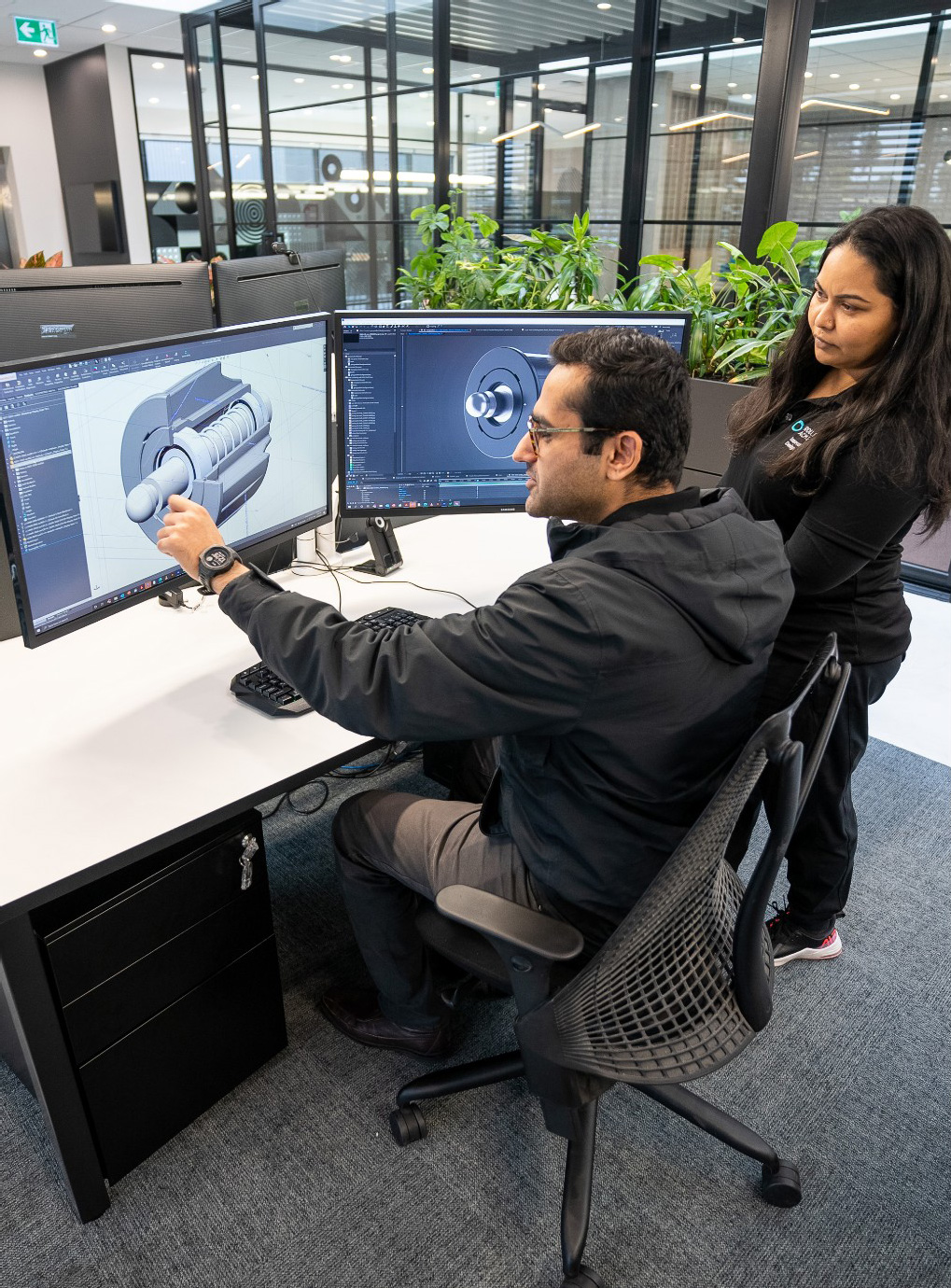
Based in Melbourne, Australia, our Innovation & Design Centre (IDC) is home to state-of-the-art testing machinery and over 25 dedicated engineers, designers and technicians – all focused on continuously delivering market-leading solutions.
With almost four decades of R&D, every Zipscreen component is quality assured, rigorously cycle tested 10,000 times and backed by our five-year warranty.
Costs, Reliability, and Data Benchmarks

Investing in a Zipscreen™ system is a major financial decision. Based on current market benchmarks in Singapore (2025/2026), here is what you should expect:
Price Breakdown (Per Square Foot)
Component | Manual System (Est. PSF) | Motorised System (Est. PSF) |
Standard Mesh (5%) | $15 – $18 | $22 – $28 |
Premium Fabric (Serge Ferrari) | $20 – $24 | $30 – $38 |
Smart Hub/Automation | N/A | +$150 – $450 (one-time) |
Note: Most vendors have a minimum charge of 40-50 sqft or a minimum project value of ~$2,000.
Motor Reliability Data
Motor Brand | Lifespan Expectancy | Noise Level | Smart Integration |
Somfy (France) | 10 – 15 Years | Ultra-Quiet | Excellent (Native) |
Nice (Italy) | 8 – 12 Years | Moderate | Good |
Dooya (China) | 5 – 8 Years | Standard | Requires Hub |
Suitability for Singapore Homes: Condo vs. HDB
When choosing your system, local regulations are as important as the technology itself.
High-Rise Safety and Wind Loads
High-rise balconies in areas like Marina Bay or Punggol face extreme wind pressures. A Zipscreen™ system is engineered to handle wind, but it is not a “hurricane shutter.”
- MCST Compliance: Before you install, you must ensure your system meets the condo rules for balcony blinds. Most MCSTs require a specific colour and design to maintain the building’s facade.
- Wind Safety: High-rise units should prioritize systems with a higher Beaufort scale rating. Read our guide on wind safety for high-rise blinds to understand the technical limits.
Mistakes and Traps Home Owners in Singapore Faced
Over the years, we have seen several recurring issues that cost homeowners thousands of dollars in repairs.
- Installing Without MCST Approval: Some homeowners assume that since their neighbor has it, they can install it too. If the design isn’t MCST approved, you may be forced to dismantle it at your own cost.
- Neglecting the “Service Loop”: For motorised systems, ensure there is an accessible power point. Many “cheap” installers leave messy trunking that ruins the balcony aesthetic.
- The “One-Size-Fits-All” Fabric Choice: If your balcony faces the West sun, you need a different fabric openness (1% vs 5%) compared to a North-facing unit.
- Skipping the Warranty Fine Print: Does the warranty cover the motor only, or also the labour to replace it? Many Singaporean vendors offer a “5-year warranty” but charge $250 in transport and labor fees for every service visit after year one.
Expert Insights from the Industry
For the best consumer advice, we recommend checking reputable portals. Sites like Qanvast and Renopedia provide verified user reviews on vendors. Additionally, for legal protections, always ensure your vendor is on the CaseTrust list or adheres to the RCMA (Renovation and Decoration Merchants Association) guidelines. Major media outlets like CNA and Home & Decor Singapore frequently run features on how to match balcony blinds to condo facade rules safely.
Smart Balcony FAQ
Everything you need to know about Zipscreen™ automation
Is Zipscreen™ always motorised? +
No, Zipscreen™ can be manual or motorised. However, for large balconies in Singapore, we recommend motorisation to ensure safety, ease of use, and to prevent the fabric from being handled roughly, which extends the system's lifespan significantly.
Can I control my blinds with Google Home? +
Yes! By using a smart hub (like Somfy Connexoon or Aqara), you can integrate your Zipscreen™ with Google Home, Alexa, or Apple HomeKit. This allows for voice commands and scheduling based on time or weather.
What happens during a power failure? +
If you have a standard motorised system, you won't be able to move the blinds during a blackout. For critical areas, some homeowners opt for motors with manual override or a battery backup, though these are less common in residential setups.
Are motorised blinds high maintenance? +
Actually, they require minimal maintenance. A yearly wipe-down of the side tracks and a quick spray of silicone lubricant is usually enough. The motors are sealed units designed to last 10+ years without servicing.
Are they safe for high-floor condos? +
Yes, they are designed for high-rises. However, you must check MCST guidelines. Our guide on wind safety explains how Zipscreen™ handles heavy gusts without popping out of the tracks.
How much does a motorised system cost? +
In Singapore, expect to pay between $22 to $35 per square foot for a motorised Zipscreen™, depending on the motor brand and fabric choice. This typically includes installation and a standard 5-year warranty.
Questions to Ask Before Buying Zipscreen™ Blinds
Choosing the right Zipscreen™ blind system in Singapore is a high-stakes decision involving structural safety, MCST legalities, and long-term electronics reliability. This section provides a strategic framework for homeowners to evaluate vendors and hardware, ensuring a safe and durable installation.
When evaluating a vendor, apply the Triple-V Framework:
- Verification: Is the motor an authentic global brand (Somfy/Nice) with a verifiable local warranty?
- Velocity: What is the system’s certified wind speed rating (Beaufort Scale), and does the vendor provide wind-sensor automation?
- Validity: Is the installation method compliant with your specific building’s MCST requirements to avoid legal penalties?
- What is the “Total Cost of Ownership”? Do not just look at the PSF price. Ask about the “Minimum Area Charge” and the cost of after-sales service visits after the first year.
- Is the fabric “Anti-Fungal” and “Fire Retardant”? In Singapore’s humidity, cheap fabrics develop mold quickly. Demand certification for Serge Ferrari or Phifer fabrics.
- Does the quote include electrical works? Motorised blinds require a 13A power point. Clarify if the vendor handles the PUB-licensed electrical wiring or if you need to hire your own electrician.
Homeowners often chase the highest wind-load rating. However, a blind that is “too strong” and never retracted can put immense stress on your balcony’s ceiling structure. The smartest approach is active management: use wind sensors to retract blinds during storms rather than relying on structural brute force.
Read more about Zipscreen™

Manual vs Motorised Zipscreen™ Blinds: The Ultimate 2026 Comparison Guide for Singapore Homes
February 2, 2026 No Comments
Read More » 
Smart Home Integration for Balcony Blinds: The Ultimate 2026 Guide for Singapore
February 2, 2026 No Comments
Read More » 
Remote Control vs Wall Switch Options: The Ultimate Guide for Singapore Homes
February 2, 2026 No Comments
Read More » 
Weather Sensors for Automated Blinds: The Ultimate 2026 Guide for Singapore Homes
February 2, 2026 No Comments
Read More » 
Power Supply Requirements Explained: The Ultimate Guide for Motorised Blinds & Smart Homes
February 2, 2026 No Comments
Read More » Woud like to know more?
Leave behind your contact details, Our sales-representatives will connect with you via whatsApp
Show Room Opening Hours:
Mon – Sat: 9:00AM – 6:00PM