
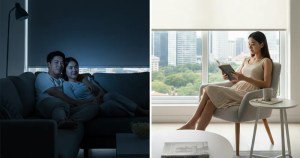
Home » Different Types of Roller Blinds Explained Which One Is Right for You
Different Types of Roller Blinds Explained: Which One Is Right for You?

Why Roller Blinds?
Finding the perfect window furnishing in Singapore can feel like navigating a maze of jargon and varying price points. This guide cuts through the noise. We break down the mechanical and functional differences between blackout, sunscreen, dimout, and double roller blinds, helping you avoid costly installation mistakes and “bait-and-switch” scams. Whether you need total darkness for a BTO master bedroom or glare reduction for a home office, here is your roadmap to making the right choice.
Different Types of Roller Blinds Explained: Which One Is Right for You?
Not all roller blinds work the same way
Walk into any HDB BTO or new condo renovation in Singapore, and you will likely see roller blinds. They are the “default” choice for a reason: they are cleaner than curtains, easier to maintain in our humid weather, and save precious space. But here is the catch—most homeowners assume a roller blind is just a piece of fabric on a tube.
They are wrong. The difference between a Sunscreen blind with a 3% openness factor and a Dimout blind can be the difference between a cool, usable home office and a room that feels like a greenhouse at 2 PM.
In this guide, we dive deep into product differentiation. We aren’t just selling blinds; we are engineering light control for your lifestyle.

04 February 2026
How to Choose the Perfect Roller Blinds for Every Room: The Ultimate Singapore Homeowner’s Guide (2026 Edition)
Home How to Choose the Perfect Roller Blinds for Every Room: A Room-by-Room Guide From Living Rooms to...

14 February 2026
How to Measure for Blackout Roller Blinds: The 2026 Singapore Homeowner’s Guide
Home How to Measure for Blackout Roller Blinds: The 2026 Singapore Homeowner’s Guide Don’t Let...

11 February 2026
Are Blackout Roller Blinds 100% Effective? The Truth About Light Leaks
Home Are Blackout Roller Blinds 100% Effective? The Real Singapore Guide Debunking the Myths of Total...

07 February 2026
Roller Blinds vs Curtains for Light Control: The Ultimate Guide for Singapore Homes
Home Roller Blinds vs Curtains Which Window Treatment Is Better? Control light your way—not by accident. This...

05 February 2026
Roller Blinds Installation Guide: DIY vs Professional – Worth the Risk?
Home Common Roller Blind Problems and Fixes: A Complete Repair Guide DIY or Pro: What’s Best for You? Thinking...

14 February 2026
Blackout Roller Blinds vs Curtains: The Ultimate Comparison Guide for Singapore Homes (2026)
Home Blackout Roller Blinds vs Curtains: The Complete Singapore Buyer’s Guide Stop Letting the Sun Dictate...

14 February 2026
Ultimate Guide to Motorised Blackout Roller Blinds for Singapore Homes (2026 Edition)
Home Ultimate Guide to Motorised Blackout Roller Blinds for Singapore Homes Darkness at the push of a...

07 February 2026
Sound and Insulation Curtains vs Roller Blinds: The Ultimate 2026 Guide for Singapore Homes
Home Sound and Insulation Curtains vs Roller Blinds: Which Blocks Heat and Noise Better? A Data-Driven...

06 February 2026
Eco-Friendly Roller Blind Options: The Ultimate Green Guide for Singapore Homes (2026)
Home Eco-Friendly Roller Blind Options: Sustainable Window Treatments for a Healthier Home Green Choices...

14 February 2026
Heat Reduction Benefits of Blackout Blinds: Stop the Sun & Save Energy
Home Heat Reduction Benefits of Blackout Blinds: The Ultimate Cooling Guide Stop the Sun, Keep the Cool Is...

06 February 2026
Day vs Night Roller Blinds Explained Simply: The 2026 Singapore Homeowner’s Guide
Home Day vs Night Roller Blinds Explained Simply: The Ultimate Light Control Solution Dual-Layer Magic Confused...

11 February 2026
How Blackout Roller Blinds Improve Sleep: The Science of Darkness
Home Darkness equals deeper sleep. We live in a city that never sleeps. Between the streetlamps outside...

14 February 2026
Best Rooms for Blackout Roller Blinds: The Ultimate 2026 Guide
Home Best Rooms for Blackout Roller Blinds: Where Darkness Matters Most Maximizing Comfort & Privacy Not...

10 February 2026
Kids Room Roller Blinds Safety Tips: The Ultimate Guide for Singapore Parents (2026 Edition)
Home Kids Room Roller Blinds Safety Tips: Protecting Your Little Ones Safety First, Style Second When...

07 February 2026
Cost Comparison Roller Blinds vs Curtains: The Real Price Breakdown (2026 Guide)
Home Cost Comparison Roller Blinds vs Curtains: The Ultimate 2026 Price Guide The Real Cost Are you torn...

09 February 2026
Kitchen Roller Blinds: What to Look For – The Ultimate Singapore Buying Guide (2026)
Home Kitchen Roller Blinds: What to Look For – A Complete Guide to Durability & Style Essential tips...

06 February 2026
Thermal Roller Blinds for Heat Control: The 2026 Singapore Homeowner’s Guide to Cooler Rooms & Lower Bills
Home The Ultimate Guide to Thermal Roller Blinds for Heat Control in Singapore Stop the West Sun, Lower...

06 February 2026
Roller Blinds for Bedrooms vs Living Rooms: The Complete 2026 Guide for Singapore Homes
Home Roller Blinds for Bedrooms vs Living Rooms: Matching Fabric to Function The Right Blind for the...

08 February 2026
Choosing Roller Blinds for Bedrooms: The 2026 Sleep & Style Guide
Home Choosing Roller Blinds for Bedrooms: The 2026 Sleep & Style Guide Sleep better by choosing right. In...

11 February 2026
Blackout Blinds for Shift Workers: The Ultimate Sleep Solution Guide (2026)
Home Blackout Blinds for Shift Workers: How to Master Daytime Sleep Your Survival Guide to Deep Sleep...

07 February 2026
Privacy Levels: Roller Blinds vs Curtains – The 2026 Guide to HDB & Condo Privacy
Home Privacy Levels: Roller Blinds vs Curtains – The Definitive Comparison Stop The Fishbowl Effect:...

07 February 2026
Why Many Homeowners Switch from Curtains to Blinds: A 2026 Trend Analysis
Home Why Many Homeowners Switch from Curtains to Blinds: The Ultimate 2026 Shift The Modern Singaporean...

06 February 2026
Outdoor Roller Blinds vs Indoor Options: The Ultimate Singapore Homeowner’s Guide (2026)
Home Outdoor Roller Blinds vs Indoor Options: Which Setup Suits Your Singapore Home? The Critical Differences...

10 February 2026
Roller Blinds for Large Windows: The Ultimate Singapore Homeowner’s Guide (2026)
Home Roller Blinds for Large Windows: The Ultimate Singapore Homeowner’s Guide (2026) Big windows need...

07 February 2026
Roller Blinds vs Curtains for Small Rooms: The 2026 Space-Saving Guide
Home Roller Blinds vs Curtains for Small Rooms: Maximizing Space & Style The Battle for Space in...

05 February 2026
Sunscreen Roller Blinds Explained: The Ultimate Heat & UV Shield for Singapore Homes
Home Sunscreen Roller Blinds Explained: The Smart Homeowner’s Defense Against Singapore’s Heat A comprehensive...

06 February 2026
Different Types of Roller Blinds Explained Which One Is Right for You
Home Different Types of Roller Blinds Explained: Which One Is Right for You? Why Roller Blinds? Finding...

05 February 2026
The Ultimate Blackout Roller Blinds Complete Buyers Guide (2026 Edition)
Home The Ultimate Guide to Blackout Roller Blinds: Sleep Better & Cool Your Home Everything You Need...

10 February 2026
The Ultimate Bathroom Roller Blinds Safety Guide: A 2026 Singapore Homeowner's Checklist
Home The Ultimate Bathroom Roller Blinds Safety Guide: A 2026 Singapore Homeowner’s Checklist Choosing...

14 February 2026
Common Blackout Blind Buying Mistakes: The 2026 Singapore Homeowner’s Guide
Home Common Blackout Blind Buying Mistakes to Avoid Don’t waste money on the wrong blind—get it right...

04 February 2026
Roller Blinds vs Curtains: Which Window Treatment Is Better for Singapore Homes?
Home Roller Blinds vs Curtains: The Ultimate Guide to Roller Blinds for Modern Homes A Data-Driven Comparison...

06 February 2026
Fabric Roller Blinds vs PVC Options: The Ultimate Material Guide for Singapore Homes (2026 Edition)
Home Fabric Roller Blinds vs. PVC Options: Which Material Wins for Singapore Living? The material you...

10 February 2026
Best Roller Blinds for Home Offices: The 2026 Productivity & Privacy Guide
Home How to Choose the Perfect Roller Blinds for Home Offices Work better with the right light. If you...

06 February 2026
Sheer Roller Blinds for Soft Natural Lighting: The Singapore Homeowner’s Guide to Glare-Free Living
Home The Ultimate Guide to Sheer Roller Blinds for Soft Natural Lighting Bringing the Outdoors In, Without...

07 February 2026
Roller Blinds vs Curtains for Bedrooms: Which is Best for Sleep?
Home Roller Blinds vs Curtains for Bedrooms: The Ultimate Sleep & Style Showdown A Data-Driven Guide...

10 February 2026
Matching Roller Blinds with Interior Themes: The Ultimate Singapore Guide
Home Matching Roller Blinds with Interior Themes: A Complete Design Guide The Art of Blind Coordination Your...

08 February 2026
How to Choose the Perfect Roller Blinds for Every Room: The Ultimate Singaporean Guide (2026)
Home How to Choose the Perfect Roller Blinds for Every Room One blind does not fit every room Are you...

07 February 2026
Which Is Easier to Maintain: Roller Blinds or Curtains? (The Honest Truth for Singapore Homes)
Home Roller Blinds vs Curtains: Which Window Treatment Is Better? The Maintenance Showdown Hate cleaning?...

07 February 2026
Roller Blinds vs Curtains: Which Window Treatment Is Better? (Singapore Edition)
Home Roller Blinds vs Curtains: The Ultimate Singaporean Homeowner’s Guide Quick Verdict for HDB...

10 February 2026
Blackout Roller Blinds Complete Home-Owner Buyers Guide: The 2026 Singapore Handbook
Home Blackout Roller Blinds Complete Home-Owner Buyers Guide: The 2026 Singapore Handbook Total Darkness,...

10 February 2026
10 Critical Mistakes to Avoid When Choosing Roller Blinds (2026 Guide)
Home 10 Critical Mistakes to Avoid When Choosing Roller Blinds Quick Summary: Common Buyer Errors Explained Planning...

07 February 2026
Roller Blinds vs Curtains: The Best Choice for Modern Singapore Interiors
Home Roller Blinds vs Curtains: The Ultimate Guide for Modern Interiors Quick Comparison for Singapore...

07 February 2026
Roller Blinds vs Curtains: Which Is Better for HDB and Condos in Singapore?
Home Roller Blinds vs Curtains: The Ultimate Comparison for Singapore HDB and Condos Space Rules Everything:...

07 February 2026
Which Roller Blind Type Fits Your Lifestyle? A Singapore Homeowner’s Guide
Home Different Types of Roller Blinds Explained: Which One Is Right for You? Matching Usage Habits to...

08 February 2026
Best Roller Blinds for Living Rooms: The 2026 Singapore Style Guide
Home The Ultimate Guide to the Best Roller Blinds for Living Rooms in Singapore Elevate Your Living Space Are...

14 February 2026
The Best Blackout Roller Blinds for Nurseries in Singapore: A Safe Sleep Guide (2026)
Home Blackout Roller Blinds for Nurseries: The Ultimate Guide for Singapore Parents Creating the Perfect...

04 February 2026
Different Types of Roller Blinds Explained: Which One Is Right for You? (2026 Guide)
Home Different Types of Roller Blinds Explained: Which One Is Right for You? Different Types of Roller...

05 February 2026
Motorised Roller Blinds: Benefits, Costs, and Smart Integration Guide (2026)
Home The Complete Guide to Motorised Roller Blinds: Costs, Benefits, and Smart Home Integration in Singapore Smart...

10 February 2026
The Ultimate Balcony Roller Blinds Selection Guide for Singapore Homes (2026)
Home Balcony Roller Blinds Selection Guide: Protect Your Outdoor Space A Quick Guide to Choosing the...

06 February 2026
Blackout vs Sunscreen Roller Blinds: The Ultimate Singapore Comparison Guide (2026)
Home Blackout vs Sunscreen Roller Blinds Compared: The Definitive Guide for Singapore Homes The 3-Minute...

06 February 2026
Motorised vs Manual Roller Blinds: The Ultimate 2026 Comparison Guide for Singapore Homes
Home Motorised vs Manual Roller Blinds: Which is Right for Your Home? The Core Differences In this guide,...

05 February 2026
Roller Blind Materials and Fabrics Explained: The 2026 Singapore Fabric Guide
Home Roller Blind Materials and Fabrics Explained: The Ultimate 2026 Guide for Singapore Homes Fabric...

04 February 2026
The Ultimate Guide to Roller Blinds for Modern Homes: Trends, Costs & 2026 Buying Tips
Home The Ultimate Guide to Roller Blinds for Modern Homes Elevating Your Interior with Style and Function Looking...

05 February 2026
Common Roller Blind Problems and Fixes: The Ultimate Troubleshooting Guide for Singapore Homes
Home Common Roller Blind Problems and Fixes: A Complete Repair Guide Troubleshooting Your Window Coverings...
ADVERTISMENT
Why Roller Blinds?

1. Blackout Roller Blinds: The Sleep Savers
Best for: Bedrooms, Media Rooms, Nurseries.
Blackout blinds are the heavy lifters of the industry. They are designed with a single purpose: 100% light blockage.
- How it works: The fabric is often coated with a foam or acrylic backing that prevents any light photons from passing through the material.
- The Trap: Cheap blackout blinds often have “pinholes” where the coating is uneven. Always hold a sample up to a strong torchlight before buying.
Local Insight: In Singapore’s density, light pollution from corridor lights or neighboring blocks is a real issue. Roller Blinds for Bedrooms vs Living Rooms require different strategies; for the bedroom, blackout is non-negotiable for deep sleep.
2. Sunscreen (Solar) Roller Blinds: The Glare Killers
Best for: Living Rooms, Kitchens, Balconies.
If you want to reduce heat but keep your view of the Singapore skyline, this is your choice. Sunscreen blinds are woven with PVC and polyester screens that have specific “openness factors”—usually 1%, 3%, or 5%.
- The Science: A 3% openness factor blocks 97% of UV rays but allows 3% of light to pass. This cuts the glare on your TV screen without making the room pitch black.
- Data Point: Darker colored sunscreen blinds actually provide better views than white ones. Dark colors absorb light (stopping glare), whereas white reflects light, creating a “foggy” view.
- Comparison: When looking at Blackout vs Sunscreen Roller Blinds Compared, remember that Sunscreen offers zero privacy at night. If you turn your lights on, neighbors can see in.
3. Dimout Roller Blinds: The Soft Middle Ground
Best for: Dining Areas, Study Rooms.
Dimout blinds are often confused with sunscreen, but they are fundamentally different. They are usually woven fabrics (like polyester) that do not have holes (openness). They allow light to bleed through the fabric texture itself, creating a soft glow.
- Privacy: Unlike sunscreen blinds, dimout blinds provide privacy at night. You can see shadows, but not details.
- Aesthetic: These are ideal for “softening” a room. Sheer Roller Blinds for Soft Natural Lighting are often a sub-category here, offering a romantic, airy feel.
4. Day and Night (Double) Roller Blinds: The Ultimate Hybrid
Best for: The Master Living Room.
Can’t decide? Don’t. Double roller blinds involve installing two separate tubes on a dual bracket—one blackout and one sunscreen.
- Usage: During the day, pull down the sunscreen to cut the heat. At night, pull down the blackout for privacy.
- The Cost: While more expensive, this setup eliminates the need for curtains entirely.
- Deep Dive: For a full breakdown on the mechanics, read our guide on Day vs Night Roller Blinds Explained Simply.
Secure a on-site measurement
Meet our onsite specialist to get a non-obligations quote
Book appointment now! →Technical Comparison Table
Feature | Blackout | Sunscreen (Solar) | Dimout | Double (Day/Night) |
Light Blockage | 100% | 90-99% (UV only) | 60-80% | Adjustable (0-100%) |
Night Privacy | High | Low (See-through) | Medium (Shadows) | High |
Heat Rejection | High | Moderate | Low-Moderate | Very High (Double Layer) |
Best Room | Bedroom | Living Room | Study/Office | Whole House |
Indoor Blinds
Custom roller blinds offer practical and affordable window dressing solution. Roller blinds comes in wide selection texture, material, pattern and design that actively trap the heat and sun glare, you can ensure your privacy in your space. When not in use, pull them up and it easy in maintenance compare to curtain.

Why is finding the right furnishing so difficult for Singaporeans?

The renovation market in Singapore is fraught with information asymmetry. You walk into a showroom, and everything looks perfect. But real-life usage is different.
1. The "Bait-and-Switch" Pricing:
Many vendors advertise “Roller Blinds from $3 PSF!”. However, this often covers a low-grade mechanism with a 1-year lifespan. When you ask for a reliable system (like heavy-duty tubes or branded clutches), the price jumps to $9 or $12 PSF.
2. The Measurement Trap:
Singaporean windows, especially in older HDBs, are rarely perfectly square. A DIY measurement that is off by 5mm can result in a blind that scrapes the wall or leaves a massive light gap.
3. The Material Lie:
Not all PVC is safe. Cheap, non-certified PVC blinds can off-gas toxic VOCs when heated by our tropical sun. Always ask for Greenguard certified fabrics. Choosing Eco-Friendly Roller Blind Options isn’t just about saving the planet; it’s about keeping your indoor air quality safe.
ADVERTISMENT
Verified External Insights
Don’t just take our word for it. Platforms like Qanvast and Houzz Singapore consistently highlight that window furnishings are one of the top 3 regrets for homeowners who cut costs. Renopedia forums often discuss the “heat trap” effect of choosing the wrong fabric for West-facing windows. Even consumer guides from CaseTrust warn against vendors who demand 100% deposit upfront. Always cross-reference your vendor’s claims with reputable renovation portals.
Mistakes and Traps Home Owners in Singapore Faced
We have analyzed hundreds of rectification jobs. Here are the most common failures:
- The “Waterproof” Outdoor Blind: Many buy standard indoor roller blinds for their service yard or balcony. Outdoor Roller Blinds vs Indoor Options are built differently. Indoor mechanisms will rust and seize up within 6 months if exposed to rain.
- Motorisation Regrets: Buying cheap motors from unverified sources often leads to burnout. If you are debating Motorised vs Manual Roller Blinds, ensure the motor has a Singapore safety mark or is from a reputable brand like Somfy or A-OK.
- Fabric Wrapping: Cheap fabrics warp (curl at the edges) in humidity. This is common in bathrooms. For wet areas, always choose Fabric Roller Blinds vs PVC Options carefully—100% waterproof PVC is the only safe bet for a shower window.
- The Heat Factor: Ignoring the “West Sun”. Installing a sheer blind on a West-facing window is a recipe for a hot afternoon. You need Thermal Roller Blinds for Heat Control specifically designed with a reflective backing to bounce heat away.
Which Blind Fits Your Life?
Ultimately, the right blind depends on your lifestyle. Do you work night shifts? Do you have toddlers? (Safety chains are a must). Are you trying to achieve a specific “Japandi” or “Industrial” look? Check our guide on Which Roller Blind Type Fits Your Lifestyle to match your personality to your window treatment.
Common Questions
Homeowner Insights
Difference between blackout & dimout? +
The main difference is light penetration. Blackout blinds have a foam backing that blocks 100% of light, making them ideal for bedrooms. Dimout blinds filter light, allowing a soft glow while maintaining privacy.
Can neighbors see through sunscreen blinds? +
Yes, at night. Sunscreen blinds work on a light-balance principle. During the day, you see out. At night, when indoor lights are on, neighbors can see inside clearly.
Are double roller blinds worth the cost? +
For Singapore homes, yes. They offer versatility: a sunscreen layer for daytime heat reduction and a blackout layer for nighttime privacy, eliminating the need for bulky curtains.
How to clean blinds in humid weather? +
Vacuum fabric blinds regularly. For PVC/polyester, wipe with a damp cloth. Avoid soaking them to prevent mold growth, which is common in humid environments.
Best blind for West-facing windows? +
Use a 1% openness sunscreen or thermal-backed blackout blind. These reflect intense afternoon sun and significantly lower room temperature.
Can I use roller blinds in service yards? +
Only if you use outdoor-grade materials. Standard indoor mechanisms will rust. Look for heavy-duty systems or Zipscreens for rain protection.
How much do roller blinds cost? +
Manual blinds range from $5 to $9 PSF. Motorised systems add roughly $200-$400 per motor plus fabric costs.
Are motorised blinds hard to maintain? +
Reputable brands (like Somfy) are low maintenance. Avoid cheap unbranded motors, as they often fail within 1-2 years and are hard to fix.
Do roller blinds block noise? +
Minimal soundproofing. Thick blackout fabrics dampen slight echoes, but for true noise reduction, pair blinds with curtains or acoustic panels.
What is 'openness factor'? +
It's the weave tightness. 1% blocks more UV/heat but reduces view. 5% offers clearer views but lets in more heat.
ADVERTISMENT
Different Types of Roller Blinds Explained: Which One Is Right for You?
Comparison of Roller Blind Types: The Core Differentiators
Roller blinds are not a single product but a category of window treatments defined by fabric opacity and mechanism. Choosing the right type is critical for thermal comfort, privacy, and sleep hygiene in Singapore’s tropical urban environment. The market is divided into four primary categories: Blackout (100% light block), Sunscreen/Solar (UV block with visibility), Dimout (Light filtering), and Double/Day-Night (Hybrid systems).
What it is: A roller blind using fabric with a foam, acrylic, or 3-pass rubber coating that creates an impermeable barrier to light.
Why it matters: It is the only option that guarantees total darkness, essential for circadian rhythm regulation in bedrooms affected by streetlights or corridor lighting.
How it works: The dense backing reflects or absorbs 100% of photons.
When to use: Master bedrooms, nurseries, and media rooms.
What it is: A mesh-like fabric made of PVC and polyester with specific “openness factors” (usually 1%, 3%, or 5%).
Why it matters: It reduces solar heat gain (glare) while maintaining a view of the outside.
How it works: The “openness” refers to the percentage of the fabric that is empty space. A 3% blind blocks 97% of UV rays but allows 3% visual transmission.
Important nuance: These blinds offer zero privacy at night. If it is brighter inside than outside, the “one-way mirror” effect reverses.
What it is: Tightly woven polyester fabrics without a blackout coating or mesh holes.
Why it matters: They soften harsh sunlight into a gentle glow, reducing the need for artificial lighting during the day.
How it works: The fabric weave diffuses light, scattering it around the room. It obscures details for privacy (creating silhouettes) but does not block light.
When to use: Living rooms, dining areas, and kitchens where natural light is desired but direct glare is not.
What it is: A system mounting two roller tubes on a single bracket—typically one Blackout and one Sunscreen.
Why it matters: It solves the “Privacy vs. View” trade-off.
How it works: Homeowners use the Sunscreen layer during the day for heat rejection and views, and lower the Blackout layer at night for total privacy.
Outcome: This is the highest utility option but comes with a higher cost and larger bracket footprint (requiring more mounting depth).
When selecting blinds, use this triangular framework:
- Light Control: Do you need 0% light (Blackout) or 3-5% light (Sunscreen)?
- Privacy: Do you need 24/7 privacy (Dimout/Blackout) or only daytime privacy (Sunscreen)?
- Heat Rejection: Sunscreen fabrics (especially dark colors) are superior at absorbing glare, while thermal-backed blackout fabrics reflect heat.
Most homeowners believe white sunscreen blinds reflect more heat and are therefore cooler. While they reflect light, they also create a “foggy” glare that ruins the view. Dark grey or Charcoal sunscreen blinds are superior. They absorb the scattering light, providing a crisp, high-definition view of the outdoors while still stopping the heat at the window line.
- Blackout: 100% light block. Best for sleep.
- Sunscreen: Glare reduction with a view. No night privacy.
- Dimout: Light filtering. Soft glow. Moderate privacy.
- Double: Best of both worlds. High cost.
- West Sun Rule: Use 1% Sunscreen or Thermal Blackout to combat intense afternoon heat.
Read more about Roller Blinds

Outdoor Roller Blinds vs Indoor Options: The Ultimate Singapore Homeowner’s Guide (2026)
February 6, 2026 No Comments
Read More » 
Sheer Roller Blinds for Soft Natural Lighting: The Singapore Homeowner’s Guide to Glare-Free Living
February 6, 2026 No Comments
Read More » 
Thermal Roller Blinds for Heat Control: The 2026 Singapore Homeowner’s Guide to Cooler Rooms & Lower Bills
February 6, 2026 No Comments
Read More » 
Different Types of Roller Blinds Explained Which One Is Right for You
February 6, 2026 No Comments
Read More » 
Fabric Roller Blinds vs PVC Options: The Ultimate Material Guide for Singapore Homes (2026 Edition)
February 6, 2026 No Comments
Read More » Woud like to know more?
Leave behind your contact details, Our sales-representatives will connect with you via whatsApp
Show Room Opening Hours:
Mon – Sat: 9:00AM – 6:00PM