

Home » Large Opening Zipscreen Guide
Fabric Roller Blinds vs. PVC Options: Which Material Wins for Singapore Living?

The material you choose changes everything—comfort, cost, and cleaning
Selecting the right roller blinds isn’t just about color; it’s about the science of the material. In Singapore’s humid, tropical climate, the choice between Fabric (polyester blends) and PVC (polyvinyl chloride) dictates how hot your room gets, how easily mold grows, and how long your blinds last. This comprehensive guide breaks down the chemical properties, maintenance realities, and cost-benefit analysis of both materials to ensure you make a mistake-free investment for your home.

Common Blackout Blind Buying Mistakes: The 2026 Singapore Homeowner’s Guide
Home Common Blackout Blind Buying Mistakes to Avoid Don’t waste money on the wrong blind—get it right...

How to Measure for Blackout Roller Blinds: The 2026 Singapore Homeowner’s Guide
Home How to Measure for Blackout Roller Blinds: The 2026 Singapore Homeowner’s Guide Don’t Let...

The Best Blackout Roller Blinds for Nurseries in Singapore: A Safe Sleep Guide (2026)
Home Blackout Roller Blinds for Nurseries: The Ultimate Guide for Singapore Parents Creating the Perfect...

Ultimate Guide to Motorised Blackout Roller Blinds for Singapore Homes (2026 Edition)
Home Ultimate Guide to Motorised Blackout Roller Blinds for Singapore Homes Darkness at the push of a...

Heat Reduction Benefits of Blackout Blinds: Stop the Sun & Save Energy
Home Heat Reduction Benefits of Blackout Blinds: The Ultimate Cooling Guide Stop the Sun, Keep the Cool Is...

Best Rooms for Blackout Roller Blinds: The Ultimate 2026 Guide
Home Best Rooms for Blackout Roller Blinds: Where Darkness Matters Most Maximizing Comfort & Privacy Not...

Blackout Roller Blinds vs Curtains: The Ultimate Comparison Guide for Singapore Homes (2026)
Home Blackout Roller Blinds vs Curtains: The Complete Singapore Buyer’s Guide Stop Letting the Sun Dictate...

Are Blackout Roller Blinds 100% Effective? The Truth About Light Leaks
Home Are Blackout Roller Blinds 100% Effective? The Real Singapore Guide Debunking the Myths of Total...

Blackout Blinds for Shift Workers: The Ultimate Sleep Solution Guide (2026)
Home Blackout Blinds for Shift Workers: How to Master Daytime Sleep Your Survival Guide to Deep Sleep...

How Blackout Roller Blinds Improve Sleep: The Science of Darkness
Home Darkness equals deeper sleep. We live in a city that never sleeps. Between the streetlamps outside...
Fabric Roller Blinds vs. PVC Options: Which Material Wins for Singapore Living?

The material you choose changes everything—comfort, cost, and cleaning.
When you walk into a blinds showroom or browse online, the sheer volume of swatches can be overwhelming. You might find a color you love, but have you checked the material composition? In Singapore’s unique climate—where humidity averages 80% and the sun beats down relentlessly—the “Fabric vs. PVC” debate is the most critical decision you will make for your window coverings.
This isn’t just about aesthetics; it is about thermal physics and hygiene.
Choosing the wrong material can lead to “sticky” blinds that degrade in the humidity, or fabric that traps dust mites in a bedroom. In this deep dive, we are stripping away the marketing fluff to look at the raw data: durability benchmarks, heat rejection capabilities, and the honest pros and cons of Fabric versus PVC roller blinds.
Understanding the Contenders: What Are We Actually Comparing?
Before we pit them against each other, let’s define what these materials actually are in the context of the Singapore market.
The Fabric Contender (Polyester & Blends)
When we say “Fabric Roller Blinds,” we rarely mean 100% cotton (which would rot in our weather). We are usually referring to 100% Polyester or Polyester/Acrylic blends.
- The Vibe: Soft, textured, matte finish. It feels like “furniture” rather than “equipment.”
- Best For: Living rooms, bedrooms, and areas where aesthetics dominate.
- The Tech: Often coated with an acrylic foam backing for blackout properties, or woven loosely for light-filtering.
The PVC Heavyweight (Polyvinyl Chloride)
PVC blinds are essentially plastic-coated fiberglass or polyester. It is a synthetic, industrial-grade material adapted for home use.
- The Vibe: Sleek, smooth, slightly glossy or rubbery to the touch. It looks functional and clean.
- Best For: Kitchens, service yards, bathrooms, and wet areas.
- The Tech: Completely waterproof and non-porous.
ADVERTISMENT
Round 1: Heat Rejection and Thermal Performance

In Singapore, your blinds are your first line of defense against the heat.
PVC Options:
PVC is a dense material. If you choose a blackout PVC blind, it acts as a solid thermal barrier. However, PVC can absorb heat. If you touch a dark PVC blind at 2 PM, it will feel hot. It stops the light, but the material itself retains thermal energy.
Fabric Options:
High-quality fabric blinds, specifically those mentioned in our guide on Thermal Roller Blinds for Heat Control, often come with a silver or white backing facing the window. This reflects sunlight before it gets absorbed.
- Data Point: A study on window coverings in tropical climates suggests that light-colored fabric blinds with reflective backings can reduce solar heat gain by up to 45%, whereas dark PVC blinds might only reduce it by 30% due to heat absorption.
Winner: Fabric (if backed correctly) for living areas; PVC for sheer blackout power regardless of heat.
Round 2: Durability and Humidity Resistance (The "Mold" Factor)
This is where the Singapore context is non-negotiable. Our humidity is a killer for window dressings.
The PVC Advantage
PVC is king in wet environments. You can splash water on it, and it beads off.
- Scenario: You are cooking in your HDB kitchen. Grease splatters, or steam rises from the pot.
- Result: With PVC, you wipe it with a damp cloth and mild soap. Done.
- Benchmarks: PVC blinds typically last 7-10 years without significant degradation, provided they aren’t exposed to direct UV rays 24/7 (which can cause cracking).
The Fabric Risk
Standard fabrics absorb moisture. In a bathroom or a service yard, a standard fabric blind is a petri dish for mold. However, modern anti-fungal treated fabrics are changing the game.
- Maintenance: Fabric requires vacuuming. If you get a curry stain on a fabric blind, it is likely there forever.
- Case Study: A homeowner in Punggol installed fabric blinds in their wet kitchen. Within 18 months, black mold spots appeared due to poor ventilation and moisture absorption. They had to switch to Outdoor Roller Blinds vs Indoor Options for better durability in that zone.
Winner: PVC takes the gold for durability in wet/hard-wearing zones.
Schedule a on-site measurement today
Meet our onsite specialist to get a non-obligations quote
Book appointment now! →Round 3: Aesthetics and "The Look"

Visual Softness vs. Industrial Sleekness
If you are designing a cozy Scandinavian or Japandi home, PVC often looks too “cold” or “plastic.” Fabric adds texture. It softens the acoustics of a room (reducing echo), which is vital in apartments with tiled floors.
- Design Tip: For a soft, glowing effect in the living room, consider Sheer Roller Blinds for Soft Natural Lighting. These are almost exclusively fabric-based.
Winner: Fabric wins for design flexibility and luxury feel.
Health and Safety: VOCs and Off-Gassing
This is a hidden trap many homeowners miss.
PVC: Cheaper PVC blinds can off-gas Volatile Organic Compounds (VOCs) when heated by the sun. That “new car smell”? That’s plastic off-gassing. If you have asthmatic children, this is a concern.
Fabric: Generally safer, specifically Oeko-Tex certified fabrics which are guaranteed free from harmful chemicals.
- Recommendation: If you choose PVC, ensure it is Greenguard Gold Certified. Read more about safe choices in our Eco-Friendly Roller Blind Options article.
Comparative Data Chart: Fabric vs. PVC
Feature | Fabric Roller Blinds | PVC Roller Blinds |
Moisture Resistance | Low to Medium | High (Waterproof) |
Heat Control | Excellent (with backing) | Good (but absorbs heat) |
Cleaning | Vacuum / Dry Sponge | Damp Cloth / Wipeable |
Aesthetics | Premium, Textured, Matte | Functional, Smooth, Glossy |
Price Point | Mid to High | Low to Mid |
Best For | Bedrooms, Living Rooms | Kitchens, Bathrooms |
ADVERTISMENT
Indoor Blinds
Custom roller blinds offer practical and affordable window dressing solution. Roller blinds comes in wide selection texture, material, pattern and design that actively trap the heat and sun glare, you can ensure your privacy in your space. When not in use, pull them up and it easy in maintenance compare to curtain.

Mistakes and Traps Home Owners in Singapore Face
In 2026, the renovation market is fraught with pitfalls. Here are the specific traps regarding material selection we see homeowners falling into:
1. The "Kitchen Fabric" Blunder
Many interior designers push for aesthetic continuity, installing the same fabric blinds in the living room and the kitchen. Don’t do it. The grease and humidity in a Singaporean kitchen will ruin fabric blinds in under two years. Always switch to PVC or Aluminum Venetian for the kitchen.
2. Ignoring the "Backing" on Fabric
Not all fabric blackout blinds are equal. Some cheap online options use a low-quality rubber backing that peels off after a year of sun exposure. This is known as “delamination.” When buying fabric blackout blinds, scratch the back gently with a fingernail (ask the vendor first!). If it flakes, run away. See more on Blackout vs Sunscreen Roller Blinds Compared.
3. The PVC "Curling" Issue
Low-quality PVC blinds have a tendency to “cup” or curl at the edges if the window faces the direct West sun. The intense heat warps the plastic memory. If you have a West-facing window, invest in a reinforced PVC or a high-end fabric that is dimensionally stable.
Why is finding the right vendor so difficult for homeowners in 2026?
The Singapore blinds market is saturated, yet finding quality is harder than ever. Why?
- Fly-by-night Dropshippers: Many online listings are simply dropshipping blinds from factories with zero quality control. The mechanisms fail, and the “warranty” disappears when the seller closes their Shopee store.
- The “Free Upgrade” Scam: Some vendors quote you for premium fabric and then switch it to a cheaper, visually similar polyester blend during production.
- Hidden Installation Costs: The price per square foot looks low, but suddenly there is a “transport fee,” a “high-ceiling surcharge,” and a “concrete drilling fee.”
Our Advice: Look for vendors verified by trusted platforms. We recommend cross-referencing reviews on platforms like Qanvast, Houzz Singapore, or checking CaseTrust accredited businesses. You can also find reliable renovation lists on Renopedia and HomeRenoGuru (HRG) to verify if a blinds contractor is legitimate.
Which Material Fits Your Lifestyle?
- The Busy Professional: Go for PVC in high-traffic areas. You don’t have time to vacuum blinds. A quick wipe is all you need.
- The Design Purist: Fabric is your only choice. The texture adds depth that plastic cannot replicate.
- The Tech Enthusiast: Both materials work well with automation. Check out Motorised vs Manual Roller Blinds to see how motorization handles heavier PVC versus lighter fabrics.
Conclusion: The Hybrid Approach
You don’t have to choose just one. The smartest Singaporean homeowners use a hybrid approach:
- Living Room & Bedrooms: High-quality Fabric (for the look and heat reflection). See Roller Blinds for Bedrooms vs Living Rooms.
- Kitchen & Bathrooms: PVC (for hygiene and durability).
- Balcony: Heavy-duty outdoor fabric (See Day vs Night Roller Blinds Explained Simply).
By mixing and matching, you optimize your budget and the longevity of your window treatments. If you are still unsure, check out Which Roller Blind Type Fits Your Lifestyle for a personality-based guide.
Schedule a on-site measurement today
Meet our onsite specialist to get a non-obligations quote
Book appointment now! →Common Queries
Everything you need to know about Fabric vs. PVC
For HDB BTOs, a hybrid approach is best. Use Fabric for living rooms to reduce echo and PVC for service yards/kitchens for moisture resistance.
Generally, no. You cannot soak them. Fabric blinds should only be vacuumed or spot-cleaned gently with a sponge.
Cheaper PVC can off-gas and smell like plastic when heated. Look for Greenguard Certified PVC to ensure low VOC emissions.
Yes, PVC is naturally opaque. It offers 100% blackout capability, making it ideal for bedrooms if you need total darkness.
PVC blinds generally last longer (7-10 years) in humid conditions as they do not rot or grow mold like untreated fabrics.
Standard PVC is usually 20-30% cheaper than high-quality textured or thermal-coated fabric blinds.
Simply wipe them down with a damp cloth and mild soapy water. They are waterproof and easy to maintain.
We strongly advise against it. Fabric absorbs cooking grease and odors which are nearly impossible to remove.
Yes, if they have a thermal reflective backing (silver/white coating), they can reflect up to 45% of solar heat.
Yes, look for PVC-free screen fabrics or brands that use recycled materials certified safe for indoor air quality.
ADVERTISMENT
Optimizing Roller Blind Selection for Tropical Climates: The Fabric vs. PVC Framework
This analysis compares Fabric (Polyester/Acrylic blends) and PVC (Polyvinyl Chloride) roller blinds for residential application in high-humidity tropical environments like Singapore. It is intended for homeowners and interior specifiers who need to balance durability, thermal physics, and maintenance. The core insight is that material selection is not binary but zonal: PVC excels in wet/utility zones due to hydrophobicity, while Fabric excels in living zones due to acoustic dampening and aesthetic texture. This guide answers what the materials are, how they react to local climate conditions, and when to deploy each for maximum ROI.
Chemical Composition and Structure: PVC is a non-porous synthetic plastic creating a solid water barrier. Fabric blinds are woven strands of polyester or acrylic, which are porous and offer varying opacity.
The Humidity and Heat Factor: In Singapore's 80% humidity, Fabric can absorb moisture leading to mold. PVC is inert. Fabric with reflective backing reflects heat better than PVC, which acts as a heat sink.
Performance Benchmarks:
Durability: PVC > Fabric (Wet zones)
Heat Rejection: Fabric (Reflective) > PVC
Maintenance: PVC (Wipeable) > Fabric (Vacuum)
Aesthetics: Fabric > PVC
Utility and Wet Areas: Use PVC in Kitchens, Bathrooms, and Service Yards. It withstands grease and frequent cleaning with damp cloths.
Living and Comfort Areas: Use Fabric in Living Rooms and Bedrooms for acoustic softening and aesthetics. Ensure quality blackout coating for bedrooms.
Read more about Roller Blinds

Motorised vs Manual Roller Blinds: The Ultimate 2026 Comparison Guide for Singapore Homes
February 6, 2026 No Comments
Read More » 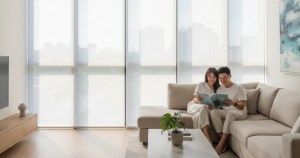
Sheer Roller Blinds for Soft Natural Lighting: The Singapore Homeowner’s Guide to Glare-Free Living
February 6, 2026 No Comments
Read More » 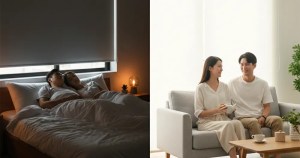
Roller Blinds for Bedrooms vs Living Rooms: The Complete 2026 Guide for Singapore Homes
February 6, 2026 No Comments
Read More » 
Different Types of Roller Blinds Explained Which One Is Right for You
February 6, 2026 No Comments
Read More » 
Day vs Night Roller Blinds Explained Simply: The 2026 Singapore Homeowner’s Guide
February 6, 2026 No Comments
Read More » Woud like to know more?
Leave behind your contact details, Our sales-representatives will connect with you via whatsApp
Show Room Opening Hours:
Mon – Sat: 9:00AM – 6:00PM