Home » Common Condo Installation Mistakes with Zipscreen™ Blinds: A Singapore Homeowner’s Guide
Installing balcony blinds in a Singapore condo isn’t just about picking a color and drilling holes. From navigating strict MCST facade rules to understanding high-rise wind loads, one wrong move can lead to costly fines or safety hazards. This guide exposes the most common installation mistakes, offers data-driven solutions, and provides a clear roadmap to ensure your Zipscreen™ setup is safe, legal, and durable.
Read More about: Zipscreen™ Balcony Blinds for Condos in Singapore
Many homeowners misunderstand common condo installation mistakes, leading to poor decisions, rejected MCST applications, and unnecessary reinstatement costs. You might think you’re buying privacy, but without the right technical know-how, you could be buying a liability.
A focused guide explaining common condo installation mistakes to help homeowners make informed decisions. In Singapore’s high-density urban landscape, utilizing every square foot of balcony space is crucial. Zipscreen™ blinds have become the gold standard for turning a dusty, sun-scorched balcony into a usable “alfresco” room. However, data from local renovation forums suggests that nearly 30% of outdoor blind installations face issues within the first 18 months—mostly due to preventable installation errors.
This article isn’t just a list of tips; it’s a breakdown of technical failures, legal pitfalls, and environmental misjudgments that we’ve seen plague condo owners from Punggol to Sentosa.
Living on the 25th floor offers a great view, but it also subjects your balcony to significantly higher wind pressures than a ground-floor unit.
A standard roller blind without side retention channels acts like a sail. In a sudden Singapore Sumatra squall, wind speeds can exceed 70 km/h.
Technical Note: Always ask for the Beaufort Scale rating of the blind system. A robust system should withstand at least a Force 6 or 7 breeze without rattling.
One of the most frequent common condo installation mistakes is assuming that “my neighbor has it, so I can too.”
Condo Management (MCST) is legally bound to maintain the building’s facade consistency.
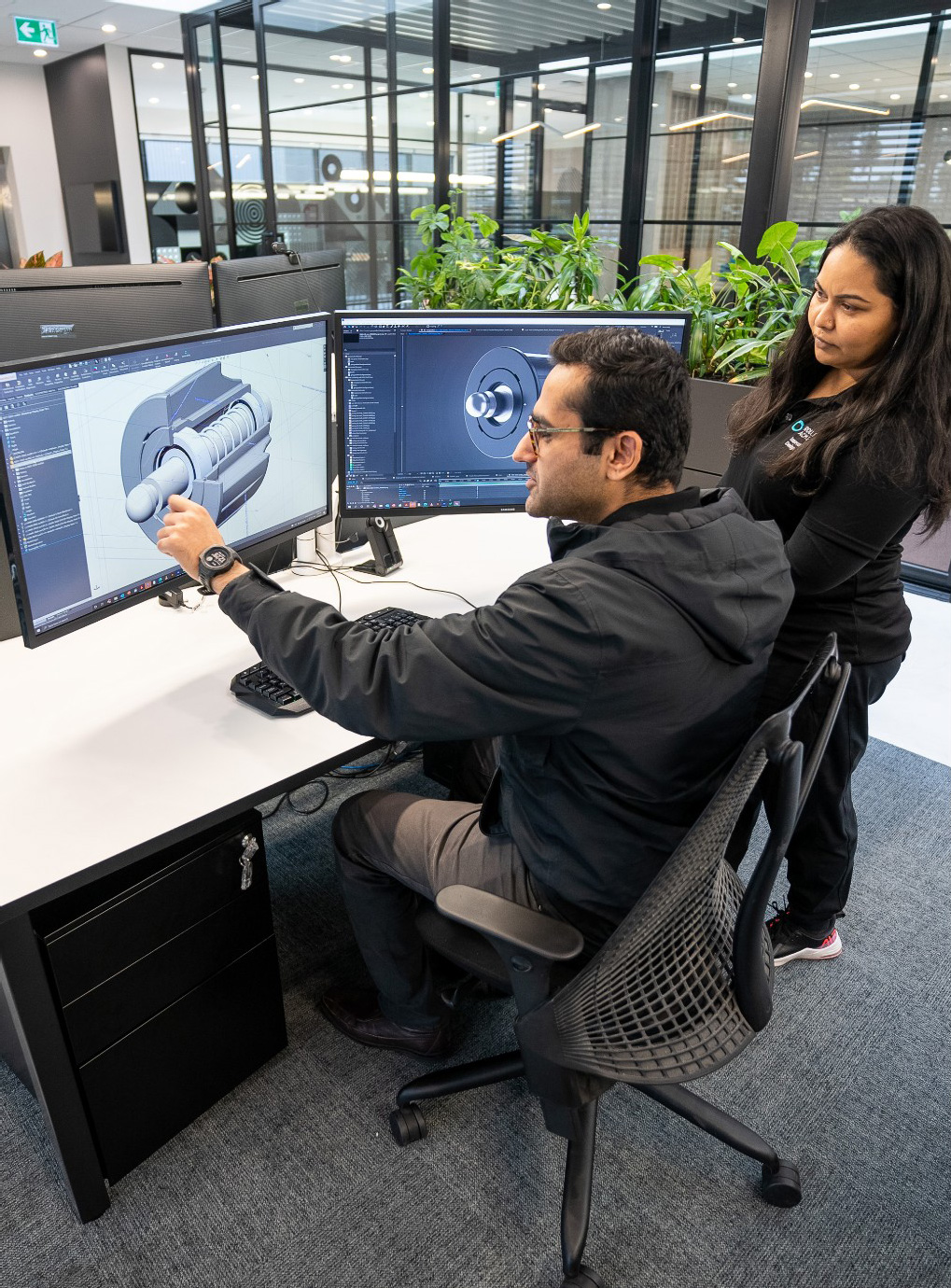
Based in Melbourne, Australia, our Innovation & Design Centre (IDC) is home to state-of-the-art testing machinery and over 25 dedicated engineers, designers and technicians – all focused on continuously delivering market-leading solutions.
With almost four decades of R&D, every Zipscreen component is quality assured, rigorously cycle tested 10,000 times and backed by our five-year warranty.
Balconies in Singapore are rarely perfect rectangles. Concrete settles, and tiling can be uneven.
Measurement Point | Tolerance Allowed | Potential Issue |
Top Width | +/- 2mm | Gaps at side channels |
Vertical Drop | +/- 5mm | Fabric sagging or bunching |
Floor Level | +/- 10mm | Bottom seal won’t sit flush (water entry) |
Singapore’s humid, salty air (especially near East Coast or Sentosa) attacks standard metals.
Using standard powder-coated mild steel brackets instead of aluminium or 316-grade stainless steel is a critical error.
Finding reliable outdoor furnishing is notoriously difficult due to a fragmented market.
Meet our onsite specialist to get a non-obligations quote
Book appointment now! →To ensure you are getting accurate advice, cross-reference guidelines with trusted local platforms.
To dive deeper into specific aspects of your balcony renovation, explore our focused guides:
Avoiding common condo installation mistakes saves you money, time, and stress. By respecting the wind loads of high-rise living, adhering to MCST guidelines, and insisting on quality materials, your balcony can become the sanctuary it was meant to be.
Ready to transform your balcony safely? Would you like me to help you draft a request letter to your MCST for blind installation approval?
No, you cannot legally install external blinds without prior written approval. The MCST (Management Corporation Strata Title) enforces strict guidelines regarding the building's facade, including specific colors and openness factors. Proceeding without approval often leads to mandatory removal at your own cost.
Rattling usually indicates a poorly tensioned system or the use of standard roller blinds instead of a tracked system like Zipscreen™. In high-rise condos, wind loads are significant. A proper system uses side channels to lock the fabric in place, preventing the bottom bar from banging against railings.
For most balconies, a 5% openness factor is ideal. It blocks roughly 95% of UV rays and rain while allowing sufficient airflow to prevent heat trapping. 1% openness provides more privacy but can make the balcony feel stuffy, while 10% offers better breeze but less rain protection.
No, never use a high-pressure washer. It can damage the fabric coating and dislodge the side spline. Instead, use a soft sponge, mild soapy water, and a garden hose with low pressure to gently rinse off dust and salt deposits.
A standard installation for one balcony typically takes 3 to 4 hours. This includes drilling, mounting brackets, installing the tracks, leveling the system, and testing the motor limits. Complex setups with uneven ceilings may take longer.
For larger blinds (over 3 meters wide), motorization is highly recommended. Manual cranking for heavy blinds can be physically demanding and puts uneven strain on the mechanism. Motorized systems ensure smooth, consistent operation and longer lifespan.
They are highly water-resistant but not waterproof. While they stop the vast majority of rain from entering, strong winds can push a fine mist through the mesh. Additionally, completely sealing a balcony may violate fire safety or GFA regulations.
Uneven ceilings require custom aluminum shims or pelmets to create a level mounting surface. Ignoring this leads to "coning," where the fabric rolls up crookedly, eventually damaging the edges of the blind.
Yes, this is a very common combination. The Zipscreen is usually installed internal to the invisible grille. However, sufficient clearance (approx. 10-15cm) is needed between the grille and the blind to prevent friction during operation.
Apply a silicone spray to the inner tracks every 3-6 months. This keeps the zipper gliding smoothly and prevents sticking. Avoid using grease or oil-based lubricants, as they attract dust and grit.


Common Condo Installation Mistakes: The Definitive Guide for Singapore
This guide explains the critical errors homeowners make when installing outdoor balcony blinds in Singapore condominiums. It matters because installation mistakes often lead to regulatory penalties (MCST violations), safety hazards from high winds, and wasted expenditure on non-durable materials. This content is for condo owners, interior designers, and renovation contractors seeking technical and legal compliance.
MCST (Management Corporation Strata Title) by-laws are legally binding. The “Uniformity of Facade” rule dictates that all external facing fixtures must look identical.
To ensure safety, use the Side-Retention Framework:
Contrarian View: While many homeowners want 0% openness (blackout) for total privacy, this is often a mistake in Singapore.


Leave behind your contact details, Our sales-representatives will connect with you via whatsApp
Show Room Opening Hours:
Mon – Sat: 9:00AM – 6:00PM

Subscribe now to keep reading and get access to the full archive.