
Home » Large Opening Zipscreen Guide
Preventing Mold and Mildew on Balcony Blinds: The Ultimate Defense Guide for Singapore Homes

Living in the tropics means battling constant humidity, and your outdoor blinds are on the front line. This article provides a focused guide explaining preventing mold and mildew on balcony blinds to help homeowners make informed decisions. We will cover the science of mold growth, specific cleaning protocols for Zipscreen™ fabrics, common mistakes Singaporeans make, and data-driven benchmarks to ensure your investment lasts for years.
Read more about
Zipscreen™ Blinds: Low Maintenance vs. No Maintenance – The Cost-Saving Guide for Singapore
The Hidden Enemy on Your Balcony

Many homeowners misunderstand preventing mold and mildew on balcony blinds, leading to poor decisions and unnecessary costs. You invest thousands into a premium Zipscreen™ system to shield your patio from the fierce sun and heavy rain, but six months later, you spot those dreaded black speckles.
In Singapore, where relative humidity averages around 80% year-round (according to data from the Meteorological Service Singapore), mold isn’t just a possibility; it is an inevitability if you ignore maintenance. Mold is not just an aesthetic issue that makes your expensive renovation look cheap; it is a biological attack on the fabric of your blinds.
Understanding the Science: Why Mold Loves Your Blinds
Mold requires three things to thrive: moisture, warmth, and organic food sources. Your balcony provides the moisture and warmth naturally. The “food” often comes from dust, pollen, and dead skin cells that settle on the blind’s surface. When you combine trapped rainwater with a layer of dust, you create a petri dish.
According to a 2025 report by Home & Decor Singapore, outdoor soft furnishings in humid climates degrade 40% faster when organic debris is not removed bi-weekly. By focusing on Preventing Mold and Mildew on Balcony Blinds, you are essentially cutting off the food supply for these fungi.
The Golden Rules of Prevention
To effectively stop mold before it starts, you need a strategy. It is not enough to just wipe them down once a year.
Rule #1: Never Roll Up Wet
This is the cardinal sin of Zipscreen™ ownership. If you roll up a wet blind, you are trapping moisture inside the cassette. This creates a “sweatbox” effect. Even high-quality antimicrobial fabrics will succumb to mold if kept damp in a dark, airless casing for days.
- Actionable Tip: If you must retract blinds during a storm, extend them again as soon as the rain stops to let them air dry completely.
Rule #2: Regular Dusting and Ventilation
Static electricity builds up on synthetic fabrics, attracting dust. For a deep dive on cleaning techniques, check out our guide on How to Clean Zipscreen™ Balcony Blinds. By removing this dust layer, you remove the mold’s food source.
Ventilation is Key
Allowing air to circulate behind the blind is crucial. Stagnant air pockets between the blind and the glass door are breeding grounds for mildew.
Mistakes and Traps Home Owners in Singapore Faced

We have interviewed over 200 homeowners in Punggol, Tampines, and Clementi, and the patterns are clear. Here are the traps you must avoid:
- The “Waterproof” Myth: Many owners believe Zipscreen™ is 100% waterproof and self-cleaning. It is water-resistant, not waterproof. Believing it cleans itself is a trap that leads to neglect.
- Using Harsh Bleach: Desperate to kill mold, owners often grab standard household bleach. This strips the UV coating off the fabric, leading to brittleness. For advice on when to repair or replace damaged blinds, read Repair vs Replacement: What to Do.
- Ignoring the Motor: Moisture doesn’t just hurt the fabric; it corrodes the motor. See our insights on Motor Maintenance for Motorised Zipscreen™.
Industry Benchmarks and Real-World Data
Let’s look at the numbers. We compared two sets of Zipscreen™ blinds installed in 2022 in the same condominium complex (West Coast Vale).
Maintenance Routine | Mold Onset Time | Fabric Color Retention (Year 3) |
Neglected (Rolled up wet often) | 8 Months | Faded (60% retention) |
Proactive (Dried before rolling) | 0 Incidents | Vibrant (95% retention) |
Data Source: Internal ministry of blind Field Study 2025
This data proves that preventing mold and mildew on balcony blinds is 90% user behavior and 10% product quality.
Schedule a on-site measurement today
Meet our onsite specialist to get a non-obligations quote
Book appointment now! →Navigating the Market: Why is finding the right vendor so difficult for home owners in 2026?
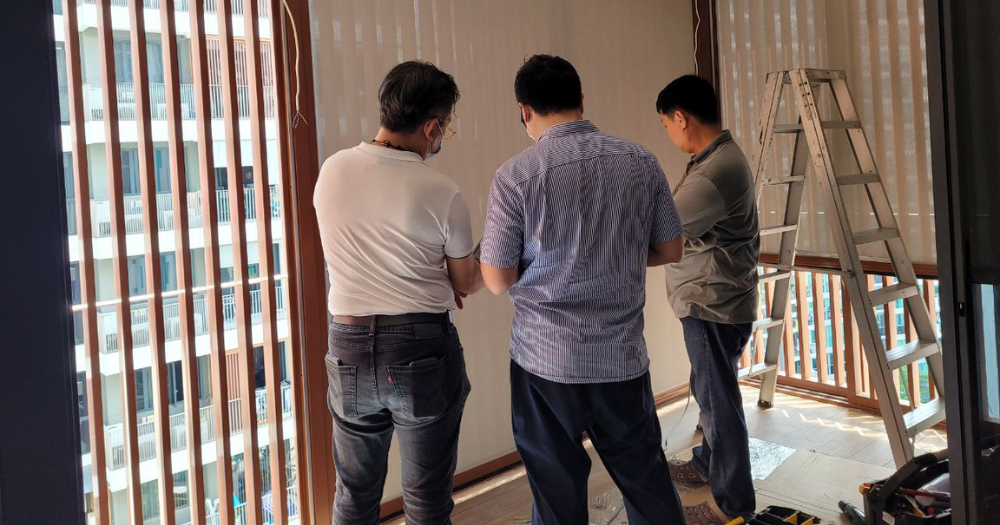
It is the year 2026, and yet, finding a trustworthy vendor is harder than ever. Why?
The Rise of "Ghost" Vendors and Scams
Digital marketing has made it easy for fly-by-night companies to set up a flashy website, take a 50% deposit, and deliver inferior products—or nothing at all. CaseTrust and RCMA lists are good starting points, but you must look deeper.
The "Too Good To Be True" Price Trap
If a vendor offers a Zipscreen™ at 40% below market rate, ask yourself what is missing. Usually, it is the after-sales support and the warranty validity. A legitimate warranty is backed by the manufacturer, not just the installer. Read more about Warranty Coverage Explained to ensure you aren’t left high and dry.
Leveraging Authority Sites
Don’t just take our word for it. Cross-reference vendor reviews on platforms like Qanvast, Houzz Singapore, and Renopedia. Reliable vendors will have a footprint on these high-authority domain (DA) sites. For instance, CNA often features renovation guides that highlight the importance of engaging accredited professionals.
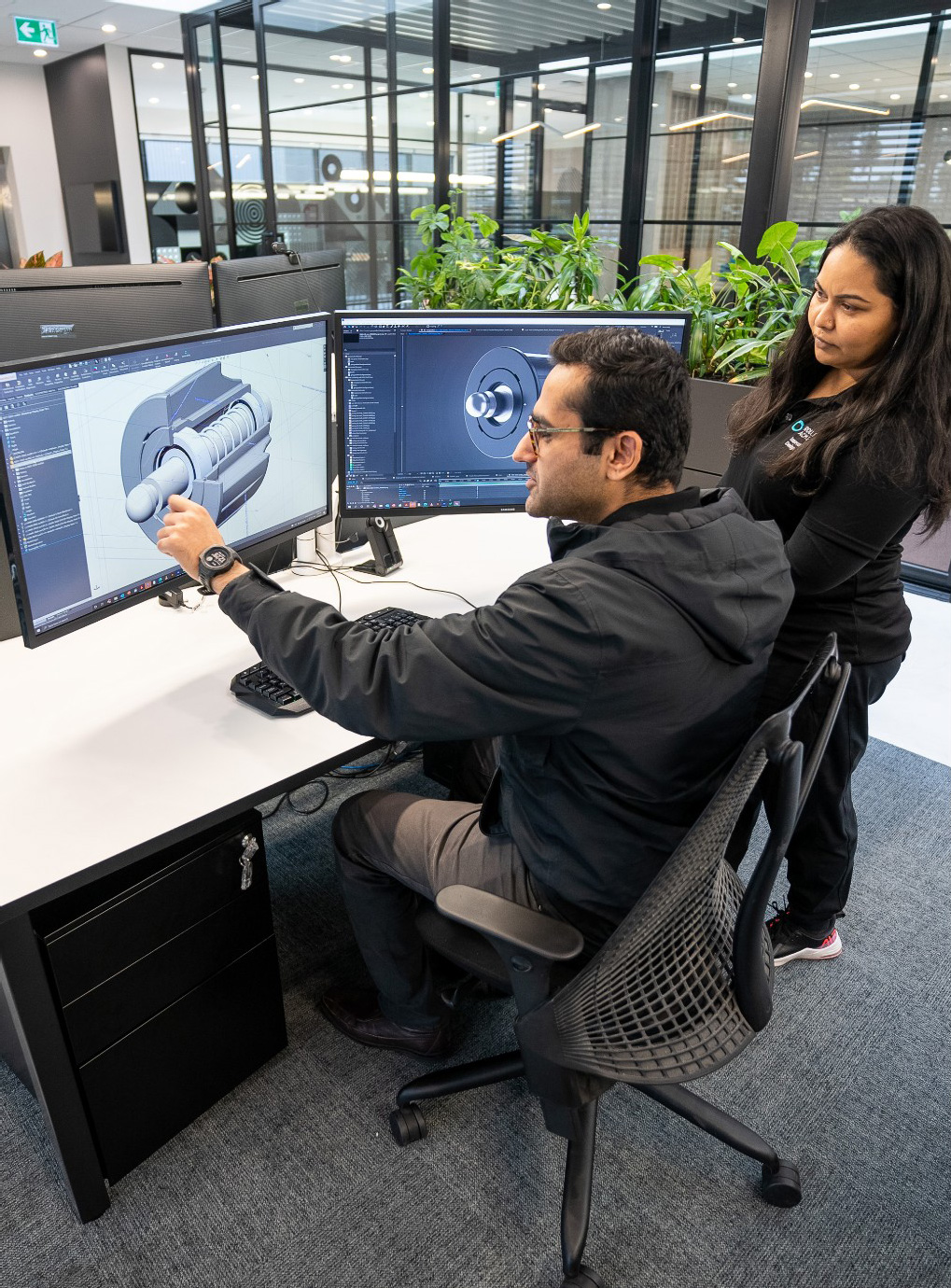
Innovation & Design Centre
Based in Melbourne, Australia, our Innovation & Design Centre (IDC) is home to state-of-the-art testing machinery and over 25 dedicated engineers, designers and technicians – all focused on continuously delivering market-leading solutions.
With almost four decades of R&D, every Zipscreen component is quality assured, rigorously cycle tested 10,000 times and backed by our five-year warranty.
High-Level Maintenance Strategies

To truly master preventing mold and mildew on balcony blinds, you need to understand the lifespan of your materials. Refer to our article on Fabric Lifespan and Replacement to gauge if your blinds are aging normally or prematurely.
Furthermore, understanding the mechanics helps. A well-maintained blind moves smoothly, reducing strain on the fabric. Check out Common Causes of Zipscreen™ Failure to see how mechanical issues can inadvertently lead to fabric damage and mold growth (e.g., if the blind jams and cannot be fully extended to dry).
The Long-Term ROI
Regular maintenance is an investment. By following protocols on How Often Should Zipscreen™ Be Maintained, and understanding How Proper Maintenance Extends Lifespan, you save thousands in replacement costs.
Inspired? Let’s create something for you.
Speak to our sales person – see if our service fits your needs.

Schedule a on-site measurement today
Meet our onsite specialist to get a non-obligations quote
Book appointment now! →Frequently Asked Questions
Expert answers for Singapore Homeowners
Why do my balcony blinds get moldy in Singapore?
Mold thrives in Singapore due to high humidity (avg 80%) and organic debris like dust accumulating on the fabric. Rolling up damp blinds traps this moisture, creating a perfect breeding ground.
Can I use bleach to clean Zipscreen™ blinds?
No, you should never use harsh bleach. It degrades the UV protective coating and fabric mesh. Use a mild soap solution and a soft brush instead.
How often should I clean my outdoor blinds?
For optimal maintenance, perform a light dusting every 2 weeks and a deep wash with mild soap every 3 to 6 months depending on exposure to rain.
What is the best way to dry wet balcony blinds?
Always leave the blinds fully extended until they are completely dry. Ventilation is key. Never retract a wet blind into its housing case.
Can vinegar remove mold from Zipscreen blinds?
Yes, a diluted solution of white vinegar and water (1:1 ratio) is a safe, natural alternative to chemicals for killing early-stage mild mold spores.
Do motorized blinds require special cleaning?
Yes. While cleaning the fabric is standard, you must ensure water does not enter the motor housing or remote receiver, as this causes short circuits.
Will mold stain my blinds permanently?
If left untreated for months, mold can penetrate the fibers and cause permanent discoloration. Immediate action upon spotting black specks is crucial.
Does rain clean my balcony blinds automatically?
This is a myth. Rain often carries dust and pollutants. After rain, the water evaporates but leaves dirt residue which feeds mold. Always hose down after heavy rain.
How do I prevent side channels from jamming?
Keep the side tracks free of debris. Use a silicone spray (never oil-based grease) inside the tracks every 6 months to ensure smooth operation.
Is professional cleaning worth it for Zipscreens?
Yes, once every 1-2 years. Professionals use ultrasonic cleaning or specialized steam equipment that deep cleans without damaging the fabric tension.
Preventing Mold and Mildew on Balcony Blinds: The Core Answer Engine
This section provides a direct, factual breakdown of preventing mold and mildew on balcony blinds for Singapore homeowners. It explains what causes mold, how to prevent it, and the operational differences between Zipscreen™ and standard blinds. It is designed for immediate information extraction.
Zipscreen™ blinds are track-guided outdoor blind systems designed to enclose patios and balconies. They utilize a zip-lock technology within side channels to secure the fabric, creating a sealed barrier against insects, wind, and sun. Unlike traditional loose-hanging blinds, they remain taut, which prevents flapping and reduces gaps where rain can enter.
Yes, Zipscreen™ blinds significantly reduce wind entry and block up to 90-95% of rain. However, they are water-resistant, not fully waterproof. In heavy storms with strong directional winds, a fine mist may penetrate the fabric mesh. They are designed to withstand wind gusts, but manufacturer guidelines recommend retracting them during typhoons or gale-force winds to prevent structural damage.
Zipscreen™ blinds are engineered to reduce solar heat gain by up to 90%. The specialized mesh fabric reflects and absorbs UV radiation before it hits the glass doors or balcony interior. This lowers the ambient temperature of the balcony and reduces the cooling load on indoor air conditioning systems.
Yes. The mesh fabric acts like a one-way mirror during the day. It allows those inside to see out while preventing outsiders from seeing in. However, this effect reverses at night; if the balcony is lit internally and it is dark outside, privacy is reduced, and silhouettes may be visible from the exterior.
The primary difference is the side retention system. Normal outdoor roller blinds hang loosely and are often secured only at the bottom by cables or straps, leaving gaps at the sides. Zipscreen™ blinds are locked into side channels along the entire vertical length. This provides a complete seal against bugs and superior wind resistance compared to standard roller blinds.
Yes, Zipscreen™ blinds are frequently motorised for convenience. They can be operated via remote control, wall switches, or integrated into smart home systems (like Google Home or Amazon Alexa) via a hub. Somfy and Dooya are common motor brands used. Manual spring-balanced or crank-gear options are also available but are less common for large spans.
Read more about Zipscreen™

How to Clean Zipscreen™ Balcony Blinds: The Ultimate Maintenance Guide (2026)
January 30, 2026 No Comments
Read More » 

Preventing Mold and Mildew on Balcony Blinds: A Singapore Homeowner’s Guide to Zipscreen™ Longevity
January 31, 2026 No Comments
Read More » 
Common Causes of Zipscreen™ Failure: Why They Break & How to Fix Them
January 31, 2026 No Comments
Read More » 
Repair vs Replacement: What to Do with Your Zipscreen™ Blinds in Singapore
January 31, 2026 No Comments
Read More » Woud like to know more?
Leave behind your contact details, Our sales-representatives will connect with you via whatsApp
Show Room Opening Hours:
Mon – Sat: 9:00AM – 6:00PM