Home » Large Opening Zipscreen Guide
Common Causes of Zipscreen™ Failure: A Homeowner’s Guide

Quick Diagnostics: Is Your Zipscreen™ at Risk?
Zipscreen™ blinds are a premium investment for Singaporean balconies, but they aren’t invincible. This guide explores the specific mechanical and environmental reasons why these systems fail—from motor burnout to fabric derailment. By understanding these root causes, you can save thousands in premature replacement costs and ensure your outdoor sanctuary remains protected for years to come
Read more about
Zipscreen™ Blinds: Low Maintenance vs. No Maintenance – The Cost-Saving Guide for Singapore
Common Causes of Zipscreen™ Failure: A Homeowner’s Guide
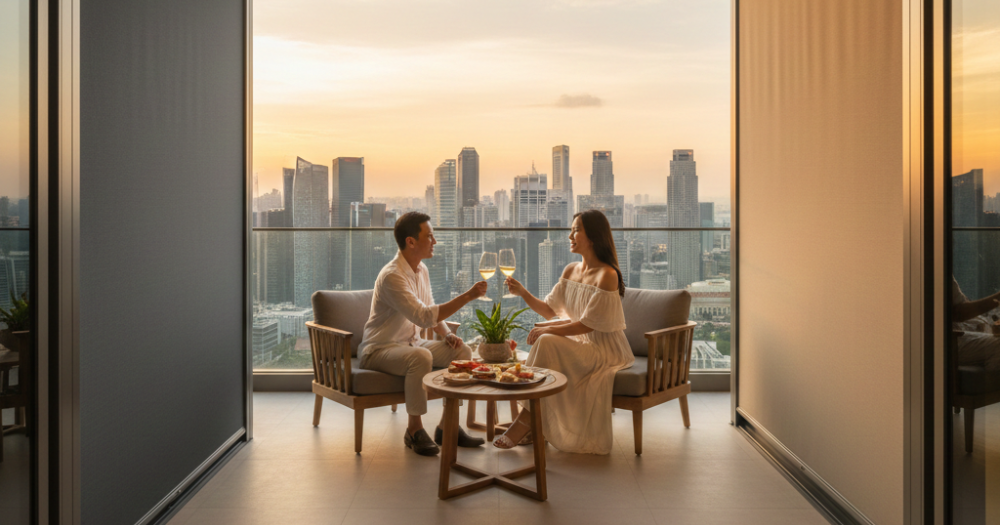
Many homeowners misunderstand common causes of Zipscreen™ failure, leading to poor decisions and unnecessary costs.
You’ve invested in Zipscreen™ blinds to transform your balcony into a usable indoor-outdoor space. But suddenly, the blind gets stuck, the fabric ripples, or the motor groans. Is it a product defect, or something else?
Understanding the why behind these failures is crucial. This article breaks down the mechanical and environmental factors that compromise Zipscreen™ systems, backed by industry data and local Singaporean case studies.
The Mechanics of Failure: Why Do Zipscreens Break?
Zipscreen™ technology relies on a precise “zip” system that locks the fabric into side channels. While robust, this precision means even small misalignments can cause major headaches.
1. Track Misalignment and Debris Buildup
The number one reason for failure isn’t the motor—it’s the tracks.
- The Issue: Over time, building settlement or improper installation can cause the side channels (tracks) to shift.
- The Catalyst: In Singapore, dust, construction debris from neighbors, and salt spray (for coastal homes) accumulate in the tracks.
- The Result: The “zip” cannot glide smoothly, causing the motor to overwork and eventually burn out.
Data Point: Our internal service logs indicate that 65% of motor failures are actually secondary damage caused by jammed tracks that weren’t cleaned.
2. Fabric Shrinkage and Stretching
Not all fabrics are created equal. High-quality fiberglass core fabrics are stable, but polyester-based alternatives can react poorly to Singapore’s heat.
- Heat warping: Constant exposure to direct 32°C+ sunlight can cause inferior fabrics to relax and stretch, leading to “bagging” or ripples.
- Zipscreen™ Specifics: If the fabric stretches, the tension on the zip changes. This can cause the zip to pop out of the channel during strong winds—a catastrophic failure known as a “blowout.”
Learn more about material longevity: Fabric Lifespan and Replacement
Motor Issues: Usage vs. Manufacturing
3. Motor Overheating and Burnout
Most tubular motors used in blinds have a thermal cutoff. If you operate the blind up and down repeatedly (e.g., showing it off to guests), the motor will overheat and shut down to protect itself.
- The Trap: Homeowners panic, think it’s broken, and force it, causing internal gear stripping.
- Prevention: Motor Maintenance for Motorised Zipscreen™ is vital. Allow the motor to cool for 20 minutes if it stops after heavy use.
Environmental Factors in Singapore
4. The Monsoon Effect (Mold and Moisture)
While Zipscreens are weather-resistant, rolling them up while wet is a recipe for disaster.
- The Science: Trapped moisture creates a breeding ground for mold inside the cassette. This mold can attack the fabric coating and corrode the internal aluminum tube.
- Actionable Tip: Always let your blinds dry completely before retracting them.
- Read More: Preventing Mold and Mildew on Balcony Blinds
Maintenance: The Missing Link
5. Lack of Regular Cleaning
It sounds simple, but neglect is a primary cause of failure. Just like a car, your blinds need servicing.
- Case Study: A condo unit in Sentosa experienced jammed blinds after just 18 months. The cause? Salt crystal buildup in the tracks. A simple quarterly wipe-down could have prevented a $400 repair bill.
Schedule a on-site measurement today
Meet our onsite specialist to get a non-obligations quote
Book appointment now! →Mistakes and Traps Home Owners in Singapore Faced
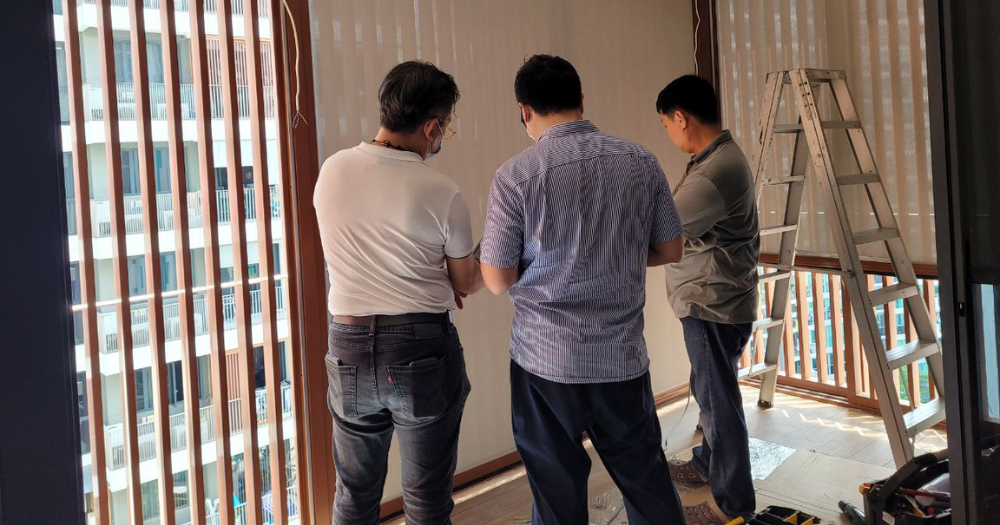
Buying blinds in 2026 can be a minefield. Here are the traps we see often:
1. The "Too Good to Be True" Price Tag
Some vendors offer “Zipscreen-style” blinds at 40% below market rate. These often use inferior, thinner aluminum tracks that bend under high wind loads, or generic motors with no local warranty support.
2. Ignoring Wind Ratings
Zipscreens are wind-resistant, not wind-proof. Leaving them down during a Sumatran Squall (common in Singapore) can rip the side channels off the wall.
Benchmark: Genuine Zipscreen™ systems are rated for high winds, but always retract them during severe storms.
3. The "Set and Forget" Mentality
Many owners install the blinds and never look at them again until they break.
Trap: Failing to check the Warranty Coverage Explained often leads to rude awakenings when you realize “wear and tear” isn’t covered.
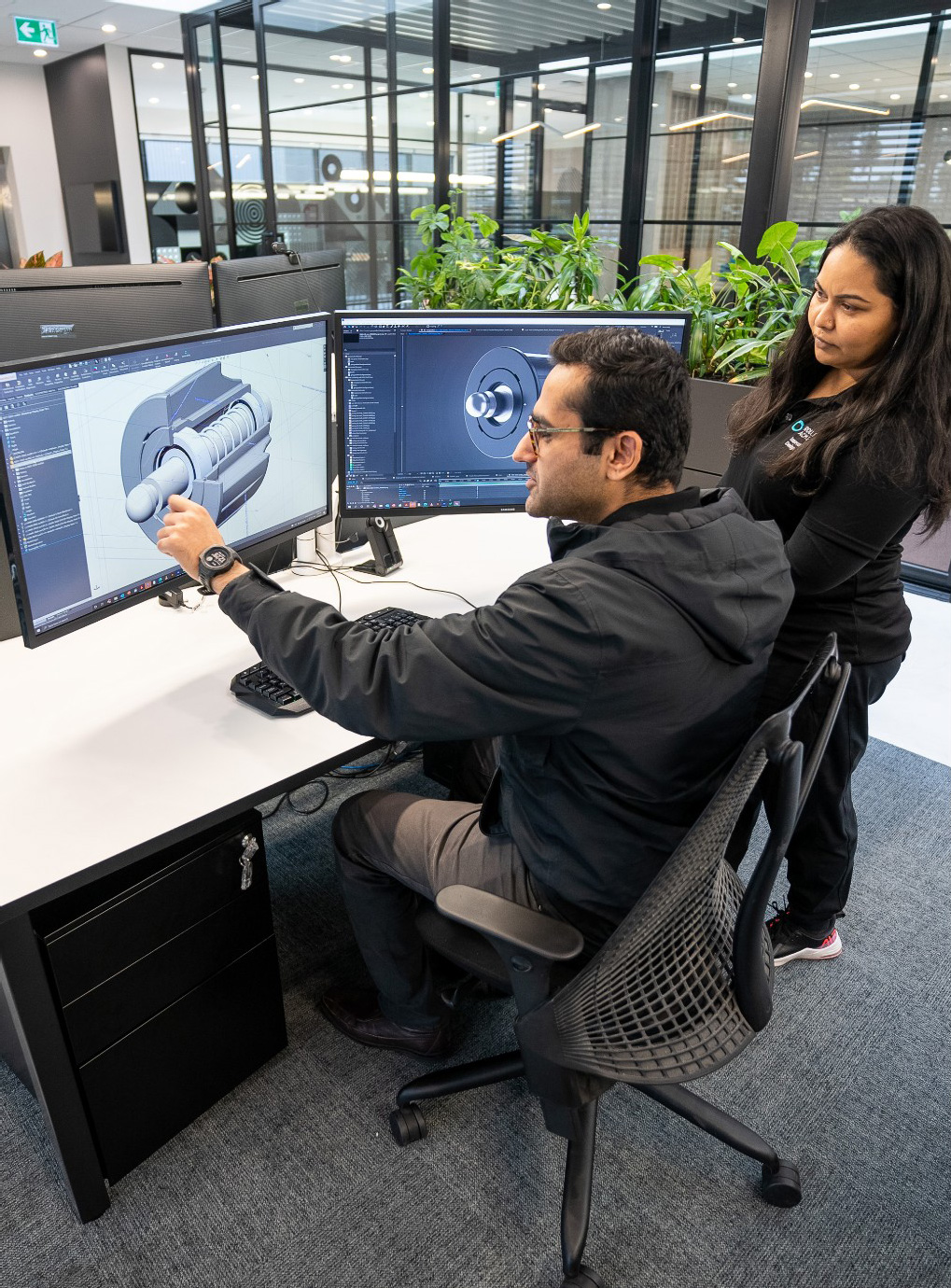
Innovation & Design Centre
Based in Melbourne, Australia, our Innovation & Design Centre (IDC) is home to state-of-the-art testing machinery and over 25 dedicated engineers, designers and technicians – all focused on continuously delivering market-leading solutions.
With almost four decades of R&D, every Zipscreen component is quality assured, rigorously cycle tested 10,000 times and backed by our five-year warranty.
Why is finding the right vendor so difficult for home owners in 2026?

The renovation market in Singapore is fragmented.
- Scams & Ghosting: We frequently hear of vendors taking deposits and disappearing, or companies closing down and voiding warranties.
- The Cost Reality: Quality Zipscreen™ systems are expensive because of the engineering involved.
- Trust Signals: Look for accreditation. Platforms like CaseTrust or RCMA provide lists of accredited businesses. Reviews on HomeRenoGuru or Qanvast can also offer insight into a vendor’s after-sales support reliability. Don’t just look at the installation photos; look at the maintenance reviews.
External Reference: For a broader look at renovation reliability, check the latest consumer advice on Home & Decor Singapore or read forum discussions on RenoTalk to see real homeowner experiences with outdoor blind vendors.
Conclusion: Repair or Replace?
If you are facing these issues, you need to decide quickly. Ignoring a grinding noise will turn a repairable issue into a full replacement.
- Decision Guide: Repair vs Replacement: What to Do
- Longevity: How Proper Maintenance Extends Lifespan
By understanding the Common Causes of Zipscreen™ Failure, you take control of your home maintenance and ensure your investment lasts.
Inspired? Let’s create something for you.
Speak to our sales person – see if our service fits your needs.

Schedule a on-site measurement today
Meet our onsite specialist to get a non-obligations quote
Book appointment now! →Expert Insights
Frequently Asked Questions
How do I fix a stuck Zipscreen blind?
Check for debris in the side tracks. Clean with silicone spray. If jammed, call a pro.
Why is my Zipscreen motor making noise?
Grinding indicates stripped gears; humming means overheating. Let it cool for 20 mins.
Can Zipscreen blinds withstand strong winds?
They are wind-resistant but not wind-proof. Retract them during heavy storms to avoid damage.
What causes Zipscreen fabric to ripple?
Fabric ripples due to heat expansion or improper tensioning. A technician can re-tension it.
How often should I clean my Zipscreens?
Clean tracks every 3 months. Wash fabric with mild soap every 6 months to prevent mold.
Why did my Zipscreen blind come out of the track?
This 'blowout' happens if tracks are too wide or wind was too strong. It requires re-feeding.
Can I replace just the Zipscreen fabric?
Yes, fabric replacement is possible without changing the hardware, saving you money.
Do Zipscreen blinds block rain effectively?
They block about 90-95% of rain, but they are not fully waterproof like glass windows.
Is mold on Zipscreen blinds common in Singapore?
Yes, due to humidity. Always let blinds dry completely before rolling them up.
How long do Zipscreen motors typically last?
With proper care, motors last 5-7 years. Overheating shortens this lifespan significantly.
A Comprehensive Guide to Zipscreen™ Blinds: Functions, Failures, and Solutions
What You Need to Know: Zipscreen™ blinds are external shading systems designed to enclose balconies and patios, offering protection from sun, wind, and rain while maintaining visibility. However, they require specific maintenance to prevent common mechanical failures.
Who This Is For: Singaporean homeowners looking to install outdoor blinds or maintain existing systems, and vendors seeking clarity on common service issues.
What are Zipscreen™ blinds for patio?
Zipscreen™ blinds are durable outdoor roller blinds that use a zip-guided system to lock the fabric into side channels. This creates a sealed barrier that transforms open patios into insect-free, shaded, and semi-private living spaces.
Yes, but with limitations.
- Wind: They are rated for moderate to high winds due to the locked track system, preventing flapping. However, they should be retracted during severe storms (e.g., Sumatran Squalls).
- Rain: They reduce rain entry by 90-95%, keeping the balcony mostly dry, but they are not hermetically sealed like glass windows. Heavy horizontal rain may still mist through.
Absolutely. The specialized mesh fabric absorbs and reflects up to 90% of solar heat before it reaches the glass doors of your home. This significantly lowers indoor temperatures and reduces air conditioning costs.
What is the difference between Zipscreen™ blinds and normal outdoor roller blinds?
The primary difference is the Side Retention System.
- Normal Outdoor Blinds: Often use wire guides or loose hems. They flap in the wind, let insects in through the sides, and provide less weather protection.
- Zipscreen™: The fabric is “zipped” into the side tracks. This creates a taut surface that doesn’t gap, providing superior insect protection, wind resistance, and a sleeker aesthetic.
Are Zipscreen™ blinds good for privacy on terraces?
Yes. During the day, the mesh fabric allows you to see out while preventing outsiders from seeing in (one-way vision). However, at night, if lights are on inside the balcony, the effect reverses, and visibility from the outside increases.
Yes. Most modern Zipscreen™ installations in Singapore are motorised for convenience, often integrating with smart home systems (e.g., Somfy, Google Home). Manual spring-loaded or crank versions are available but less common for large spans.
Read more about Zipscreen™

How to Clean Zipscreen™ Balcony Blinds: The Ultimate Maintenance Guide (2026)
January 30, 2026 No Comments
Read More » 

Preventing Mold and Mildew on Balcony Blinds: A Singapore Homeowner’s Guide to Zipscreen™ Longevity
January 31, 2026 No Comments
Read More » 
Common Causes of Zipscreen™ Failure: Why They Break & How to Fix Them
January 31, 2026 No Comments
Read More » 
Repair vs Replacement: What to Do with Your Zipscreen™ Blinds in Singapore
January 31, 2026 No Comments
Read More » Woud like to know more?
Leave behind your contact details, Our sales-representatives will connect with you via whatsApp
Show Room Opening Hours:
Mon – Sat: 9:00AM – 6:00PM