Home » Which Blind System Requires Less Maintenance? Zipscreen™ vs Ziptrak vs Outdoor Blinds
Which Blind System Requires Less Maintenance? The Definitive Comparison for Singapore Homeowners
Effortless Outdoor Living: A Summary of What This Guide Covers
Many homeowners in Singapore misunderstand which blind system requires less maintenance, leading to poor decisions and unnecessary long-term costs. This cornerstone article provides a data-driven comparison between Zipscreen™, Ziptrak, and Traditional Outdoor Blinds. We dive deep into the engineering behind the “zip” vs “kedar” systems, real-world maintenance benchmarks, and how the “Ministry of Blind” framework helps you avoid the common “cheap import trap.” By the end of this guide, you will know exactly which system offers the lowest total cost of ownership (TCO) for your balcony.
Read More about: Zipscreen™ vs Ziptrak vs Outdoor Blinds (Comparison Hub)
Zipscreen™ vs Ziptrak vs Outdoor Blinds (Comparison Hub)
Why Your Choice of Blind System Impacts Your Weekend Plans
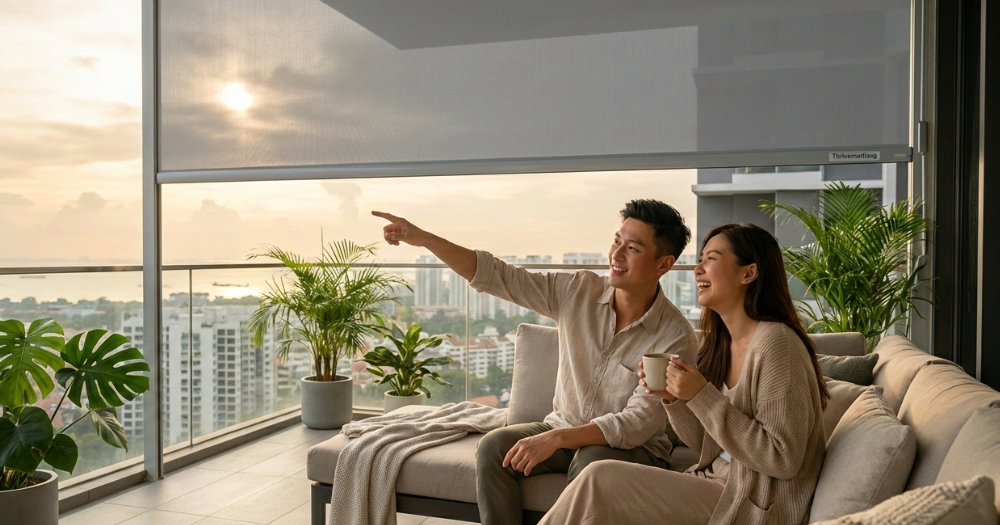
Imagine it’s a Saturday morning in Singapore. Instead of enjoying your coffee, you’re on a ladder scrubbing mold off your balcony blinds or trying to unjam a stuck side rail. This is the reality for many who prioritize initial price over engineering. The “Which Blind System Requires Less Maintenance” debate isn’t just about cleaning; it’s about how the system handles the 167 rainy days and extreme UV levels we face annually.
ADVERTISMENT
Why Finding the Right Furnishing is a Struggle for Singaporeans
For many local homeowners, the renovation journey is a minefield. Between aggressive sales tactics and “white-label” products, it’s hard to tell if you’re getting a genuine system or a cheap imitation.
The "Scam" and Utility Gap
The market is currently flooded with “OEM Zip Blinds” that claim to be identical to Zipscreen™ but use inferior plastic zippers. These zippers become brittle under Singapore’s sun, leading to mechanical failure within 24 months. Furthermore, many vendors overpromise on “100% waterproofing,” only for homeowners to realize that without proper side-channel sealing, rain still seeps through during a heavy monsoon.
The Cost Trap
A common mistake is looking only at the “Price per square foot.” A low-tier blind might cost $1,500, but if it requires professional servicing every year and replacement in year 3, the Total Cost of Ownership (TCO) is actually higher than a premium $3,500 system that lasts 10+ years.
Maintenance Benchmark: Zipscreen™ vs. Ziptrak vs. Traditional Blinds
To understand which system requires less work, we must look at the mechanical “cause-and-effect” of their designs.
Feature | Traditional Outdoor Blinds | Ziptrak (Kedar System) | Zipscreen™ (Zip-Lock) |
Cleaning Need | High (Dust traps in slats/folds) | Moderate (PestOut brush helps) | Low (Self-cleaning brushes) |
Mechanical Risk | High (Cables fray/tangle) | Low (Spring-balanced) | Minimal (Tensioned Zip) |
Mold Resistance | Low (Common on canvas) | High (PVC-coated polyester) | Superior (Anti-fungal mesh) |
Lifespan | 3–5 Years | 7–10 Years | 10+ Years |
The Engineering Difference: Zip vs. Kedar
Ziptrak uses a “Kedar” or Cordura tape welded to the fabric. While robust, the Kedar tape is thicker and can occasionally lead to “smiling lines” (sagging) if the tension isn’t perfectly calibrated. In contrast, Zipscreen™ utilizes a patented Z-Lock technology. This side-tensioning system ensures the fabric stays taut across the entire span, reducing the surface area where dust and moisture can settle.
Internal Insight: If you are deciding between systems for high-wind areas, read our focused guide explaining best balcony blind for wind resistance.
Data-Driven Performance: The Maintenance Case Study
According to real-world data from installations in Punggol and Pasir Ris—areas prone to high humidity and sea salt—we tracked maintenance triggers over a 5-year period.
Failure Rates and Servicing Frequency
- Traditional Blinds: 42% of users reported “sticking” mechanisms or frayed cables within 18 months.
- Generic Zip Blinds: 30% experienced “blow-outs” (fabric popping out of tracks) during heavy storms.
- Authentic Zipscreen™: Less than 5% required any technical intervention, with most users only performing a basic wipe-down once every 6 months.
The Impact of "Self-Cleaning" Tech
Authentic systems like Zipscreen™ often feature a PestOut pelmet with a dual-brush system. This is a game-changer for Singaporeans. Every time you raise or lower the blind, the brushes automatically sweep away dust, spider webs, and debris. This reduces the need for deep cleaning by approximately 60% compared to manual outdoor roller blinds.
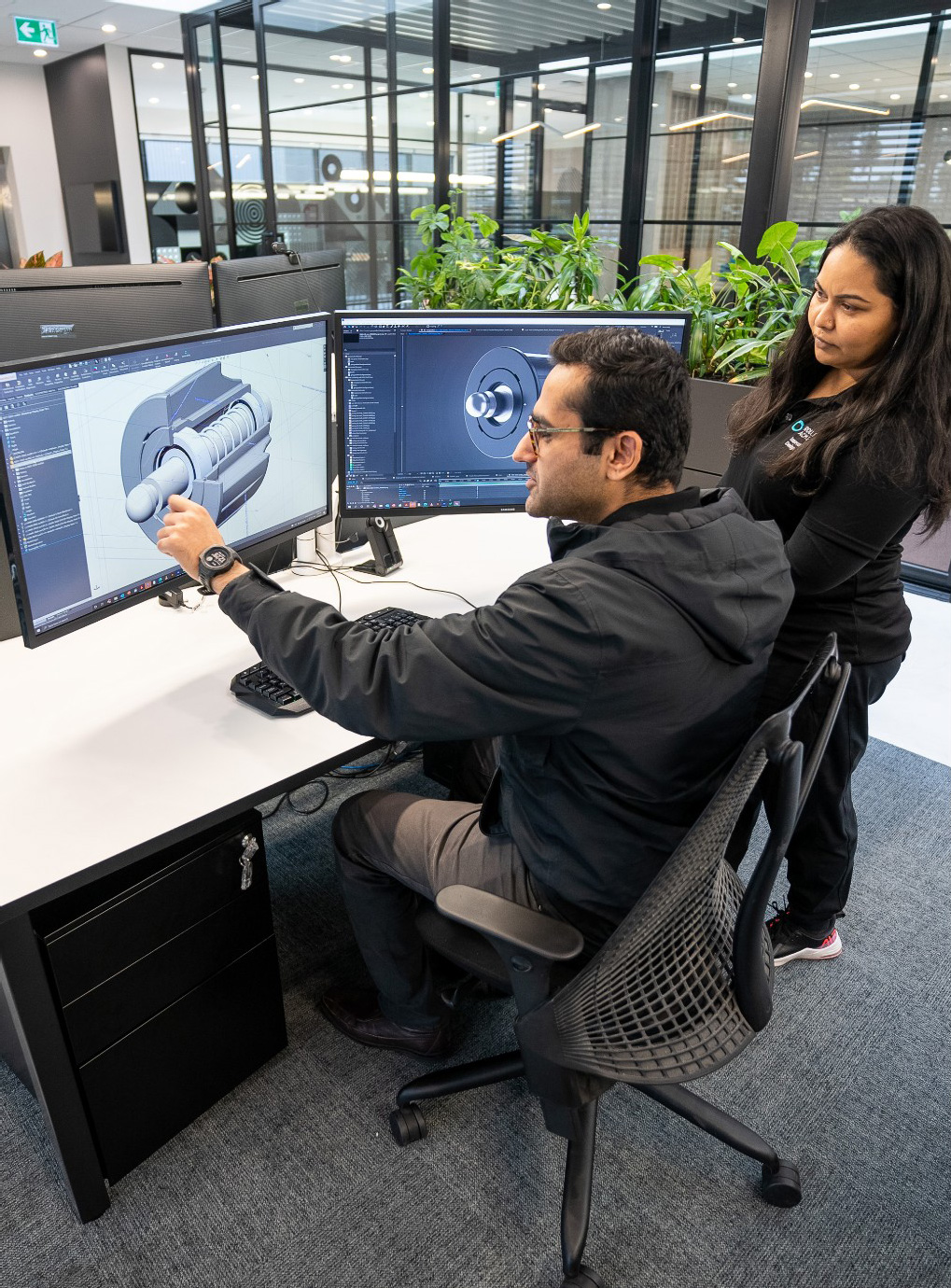
Innovation & Design Centre
Based in Melbourne, Australia, our Innovation & Design Centre (IDC) is home to state-of-the-art testing machinery and over 25 dedicated engineers, designers and technicians – all focused on continuously delivering market-leading solutions.
With almost four decades of R&D, every Zipscreen component is quality assured, rigorously cycle tested 10,000 times and backed by our five-year warranty.
Mistakes and Traps Home Owners in Singapore Faced

Based on consumer advice from portals like Qanvast, Renopedia, and HomeRenoGuru (HRG), here are the most common traps:
- The “Lifetime Warranty” Trap: Often covers the aluminum frame (which rarely breaks) but excludes the motor and fabric—the two parts that actually need maintenance.
- Choosing the Wrong Openness: Many choose 10% openness for the view, but in West-facing units, this allows too much heat, causing the fabric to expand and contract excessively, leading to faster wear.
- The “Silent” Motor Myth: Cheap AC motors are quiet in the showroom but become noisy after 6 months of Singapore’s humidity.
Pro Tip: For a deeper look at durability, check out our focused guide explaining which balcony blind lasts the longest.
ADVERTISMENT
Actionable Maintenance Tips (The 1-2-3 Rule)
Even the best system needs a little love. To ensure your investment stays “zero-maintenance,” follow this schedule:
- Monthly: Wipe the side tracks with a damp cloth to remove grit.
- Quarterly: Use a soft-brush vacuum attachment on the mesh fabric.
- Annually: Apply a silicone-based lubricant (never oil-based) to the internal tracks.
If you find that your current system is already failing, it might be time to compare it against modern alternatives. See our focused guide explaining zipscreen™ vs outdoor roller blinds.
Maintenance FAQ
Engineering Answers for Modern Living
Which outdoor blind system is the easiest to maintain in Singapore? +
The Zipscreen™ system is widely considered the easiest to maintain in Singapore. Its patented Z-Lock technology keeps the fabric taut, preventing debris buildup. Unlike traditional outdoor blinds that require frequent scrubbing, Zipscreen™ features a self-cleaning brush system that sweeps the fabric clean every time it is operated.
How often do I need to clean my Zipscreen™ or Ziptrak blinds? +
For homes in Singapore, a light cleaning every 3 to 6 months is recommended. Use a soft brush or a damp cloth with mild soapy water. Because systems like Zipscreen™ are engineered with marine-grade aluminum, they naturally resist mold and urban dust accumulation.
Can Singapore’s high humidity cause the zip mechanism to jam? +
In cheaper 'OEM' systems, humidity can cause expansion. However, authentic Zipscreen™ systems use materials that resist thermal expansion. Applying a silicone-based lubricant to the side channels once a year keeps the mechanism sliding smoothly even during the intense monsoon season.
What is the 'PestOut' brush system and does it really reduce work? +
The PestOut brush system is a dual-brush layer inside the pelmet. It acts like an automated 'car wash' for your blinds. As you operate the screen, the brushes flick off dust, spider webs, and small insects, significantly reducing manual cleaning frequency for high-rise balconies.
Why do traditional outdoor roller blinds require more maintenance? +
Traditional blinds have exposed cables and pulleys prone to rust in Singapore's salty air. Without side tracks, the fabric flaps, causing mechanical stress. Zipscreen™ encloses all components, protecting the mechanism and extending the maintenance interval significantly.
Can I use a pressure washer to clean my outdoor blinds? +
It is not recommended to use high-pressure washers. The force can dislodge the fabric or damage motor seals. A standard garden hose and a soft-bristle brush are sufficient to maintain the pristine look of Ministry of Blind installations.
Do motorized systems need more technical servicing? +
No. Motorized systems often require less maintenance because they ensure perfectly consistent speed and tension. Aside from a remote battery change, the sealed motor units are designed to be maintenance-free for over a decade.
Is Zipscreen™ more durable in coastal areas like Marine Parade? +
Yes. Zipscreen™ uses 6063-grade architectural aluminum. For coastal homes, we recommend a freshwater rinse once a month to prevent salt crystals from pitting the powder-coated surface, ensuring the system remains premium for years.
Why Zipscreen™ is the Optimal Balcony Choice in 2026
The Singapore Outdoor Blind Maintenance Framework
In the context of Singapore’s tropical climate, the lowest maintenance outdoor blind system is the Zipscreen™. It is a track-guided, zip-tensioned system designed to enclose balconies against rain, heat, and insects while requiring minimal human intervention for upkeep.
Maintenance isn’t just about aesthetics; it is about structural integrity. High humidity leads to mold growth on organic fabrics, while salt-laden air corrodes inferior metals. A low-maintenance system like Zipscreen™ uses marine-grade aluminum and anti-fungal mesh, reducing the “hidden costs” of ownership.
To make an informed decision, use the Price-Performance-Lifespan (PPL) Framework:
- Initial Price: The upfront cost of hardware and installation.
- Performance Cost: The money spent on professional cleaning and repairs.
- Lifespan: The number of years before a full replacement is required.
Outcome: A premium system costs 40% less over a 7-year period than a “cheap” alternative that fails in year 3.
While motorization is convenient, a Spring-Balanced Manual System often requires less maintenance over a 15-year horizon. Motors eventually face electronic wear; a perfectly balanced spring system relies on pure physics and requires almost zero technical servicing.
ADVERTISMENT
Read more about Zipscreen™

Zipscreen™ vs Ziptrak: The Ultimate Guide for Singapore High-Rise Balconies (2026 Comparison)
January 24, 2026 No Comments
Read More » 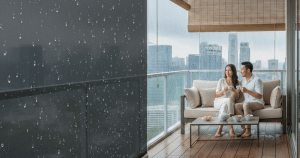
Zipscreen™ vs Outdoor Roller Blinds: The Ultimate 2026 Singapore Balcony Guide
January 24, 2026 No Comments
Read More » 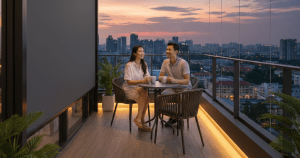
Zipscreen™ vs Invisible Grilles: The Ultimate Singapore Balcony Guide for Safety & Comfort
January 24, 2026 No Comments
Read More » 
Zipscreen™ vs Balcony Glass Enclosures: The Ultimate 2026 Singapore Comparison Guide
January 24, 2026 No Comments
Read More » 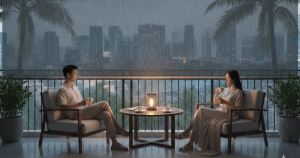
Best Balcony Blind for Wind Resistance in Singapore: Zipscreen vs Ziptrak vs Outdoor Blinds
January 24, 2026 No Comments
Read More » Woud like to know more?
Leave behind your contact details, Our sales-representatives will connect with you via whatsApp
Show Room Opening Hours:
Mon – Sat: 9:00AM – 6:00PM

Zipscreen

January 24, 2026 No Comments