
Home » Zipscreen™ Balcony Blinds Singapore: The Ultimate FAQ & Case Study Guide to Avoid Buyer Regrets
Zipscreen™ Balcony Blinds Singapore: The Ultimate FAQ & Case Study Hub

Bridging the Gap Between Expectations and Reality for Your Balcony
Most Singaporean homeowners invest in Zipscreen™ blinds to “enclose” their balcony, only to realize later that they missed critical technical details. Whether you are living in a high-rise condo in District 9 or a breezy landed home in Serangoon, this cornerstone guide serves as your definitive resource. We combine real-world data, local case studies, and honest answers to the most searched questions to ensure your outdoor transformation is a success—not a source of regret.
Why Most Buyer Regrets Stem from "Unspoken Assumptions
The most expensive mistake you can make is assuming that all “Zip Blinds” are the same. In Singapore, the term is used loosely, but the Zipscreen™ brand (engineered by Rollease Acmeda) carries specific engineering standards.
Many homeowners proceed with installation based on a 15-minute showroom demo, only to realize 3 months later that their balcony floor still gets wet during a North-East Monsoon downpour. The Hook: Most buyer regrets come from assumptions that were never clarified—specifically regarding “100% waterproofing” and “wind limits”—before the first hole was drilled into their ceiling.
Why is Finding the Right Furnishing So Difficult for Singaporeans?

Choosing outdoor blinds in Singapore feels like navigating a minefield. Why?
- The “Direct Factory” Scam: Many vendors claim to be “direct manufacturers” but actually outsource to third-party workshops using generic Chinese components while charging Zipscreen™ prices.
- The Price Paradox: With quotes ranging from $15 psf to $30 psf, homeowners are often paralyzed by choice. Is the extra $500 for a reputable brand like Thrivemediasg worth it? (Data suggests yes—cheaper systems often suffer from “zipper jam” within 18 months).
- The Regulation Maze: Many Singaporeans are unaware of URA (Urban Redevelopment Authority) and MCST guidelines. Installing the wrong color or system can lead to legal notices and forced removals.
Zipscreen™ Case Studies: Landed vs. Condo Performance
To give you a clear picture, let’s look at real-world benchmarks from recent projects.
Case Study 1: The West-Facing Condo (High-Floor)
- Location: Clementi (Distict 5)
- The Problem: Intense afternoon sun (reaching $38°C$ on the balcony) and high wind speeds.
- Solution: Zipscreen™ with 1% Openness Slate Fabric.
- Data Point: Post-installation, the internal balcony temperature dropped by $6°C$.
- The Lesson: For west-facing units, heat reduction is the priority. Read our condo case study: west-facing balcony for a deeper technical breakdown.
Case Study 2: The Landed Home Outdoor Patio
- Location: Seletar Hills
- The Problem: Mosquitoes and rain splashing onto expensive outdoor teak furniture.
- Solution: Motorized Zipscreen™ with 5% Openness (for airflow).
- Data Point: 95% reduction in insect intrusion.
- The Lesson: In landed homes, Zipscreen acts as an “insect screen” as much as a weather barrier. Explore our landed home case study: outdoor area.
Innovation & Design Centre
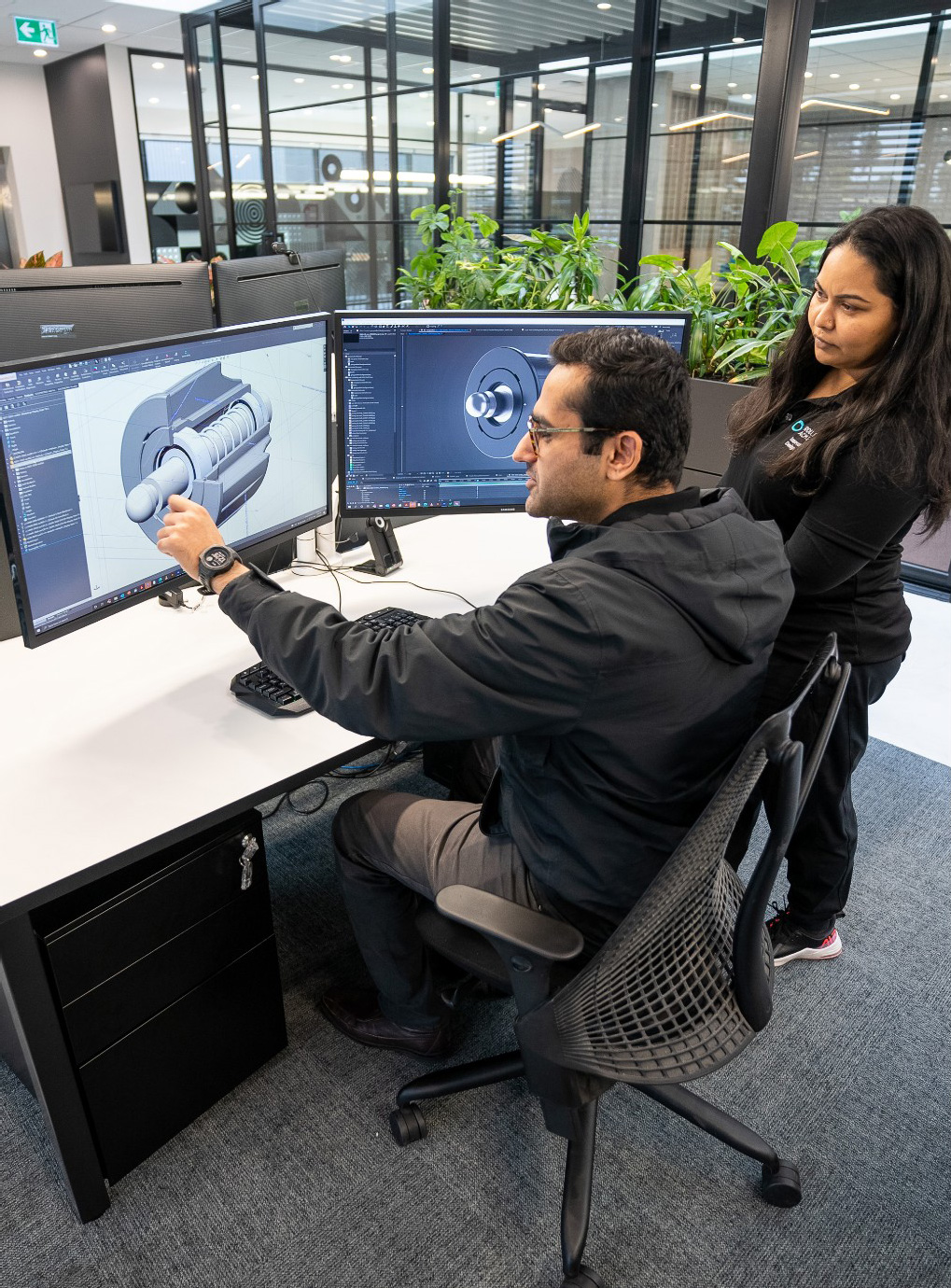
Based in Melbourne, Australia, our Innovation & Design Centre (IDC) is home to state-of-the-art testing machinery and over 25 dedicated engineers, designers and technicians – all focused on continuously delivering market-leading solutions.
With almost four decades of R&D, every Zipscreen component is quality assured, rigorously cycle tested 10,000 times and backed by our five-year warranty.
Mistakes and Traps Home Owners in Singapore Faced

- Ignoring the Pelmet: Cheap vendors often skip the pelmet (the top box) to save $200. This leaves the motor and fabric exposed to the elements, leading to mold and premature motor failure.
- Wrong Fabric Openness: A 5% openness factor is great for airflow but terrible for rain protection. A 1% factor is great for rain but can make a balcony feel stuffy. Always ask for a light-test on-site.
- The “Silent” Warranty: Many vendors offer a “10-year warranty” but don’t tell you it only covers the fabric, not the motor or the labor. Ensure your warranty is comprehensive.
Insights & External References
According to major Singaporean renovation portals like Qanvast and HomeRenoGuru (HRG), balcony blinds are now the #1 requested outdoor furnishing for new HDB BTOs and Condos. However, the Consumers Association of Singapore (CASE) frequently warns against renovation scams. Always verify if your vendor is on the CaseTrust list and check their ACRA records.
Expert guides on Home & Decor Singapore suggest that Zipscreen™ systems provide a significant boost to a property’s resale value by effectively increasing the “usable” square footage of the home.
Zipscreen™ Frequently Asked Questions
Expert insights for Singaporean Homeowners
Are Zipscreen™ blinds 100% waterproof during heavy storms? +
No outdoor blind is 100% watertight. However, Zipscreen™ is highly water-resistant. While the fabric blocks most rain, "misting" can occur through the side channels during extreme Singapore monsoons. Learn more in our guide: Are Zipscreen™ blinds waterproof?
Can Zipscreen™ withstand strong winds on high floors? +
Yes, Zipscreen™ is rated for high-wind resistance. It uses a patented "Side Tension" system that keeps the fabric locked. For safety, we recommend retracting them during gale-force alerts. Check out our wind resistance guide for technical limits.
Do Zipscreen™ blinds really reduce indoor heat? +
Absolutely. By blocking solar radiation before it hits your glass doors, Zipscreen™ can reduce heat by up to 90%. This significantly lowers air-conditioning costs. Read our full study: Do Zipscreen™ blinds reduce heat?
Are Zipscreen™ blinds safe for households with children? +
Yes. Unlike traditional blinds with dangling cords, Zipscreen™ is cordless and motorized, eliminating strangulation hazards. They are a top choice for young families. See our child safety analysis.
How long do Zipscreen™ blinds last in Singapore’s humidity? +
With proper maintenance, a high-quality Zipscreen™ system lasts 8 to 12 years. The aluminum components are rust-resistant. Check our durability guide for maintenance tips.
What are the most common buyer regrets after installation? +
Regret usually stems from choosing the wrong fabric openness (too dark or too breathable) or improper installation by uncertified vendors. Read our article on common buyer regrets to avoid them.
Zipscreen™ Blinds Price Per Square Foot Explained
This section explains the cost structure of Zipscreen™ blinds in Singapore for 2026, helping you budget accurately for your renovation.
The cost of Zipscreen™ blinds typically ranges from $18 to $28 per square foot (PSF) in Singapore. This price varies based on motorization choices, fabric technicality, and installation complexity. It is designed for homeowners seeking long-term durability over the “cheapest” short-term fix.
- System Brand: Authentic Zipscreen™ (Australian) vs. Generic Zip Blinds.
- Motorization: Manual crank vs. Wi-Fi integrated motors (e.g., Somfy or Dooya).
- Fabric Grade: 1% vs 5% openness or specialized “Blackout” series.
- Engineering: Unlike traditional rollers, Zipscreen™ uses a side-zip track that requires precision machining.
- Safety: It eliminates cords, making it child-safe and URA compliant for most facades.
- Lifespan: The ROI is higher because you won’t need a replacement for at least a decade.
Instead of looking at the upfront $3,000 cost, calculate the Daily Value.
- Initial Cost: $3,000
- Expected Life: 10 Years (3,650 days)
- Cost per Day: ~$0.82 For less than the price of a Kopi-O, you gain a protected, air-conditioned-ready outdoor room.
In Singapore condos, most balconies are split into three panels. Installing one large 4-meter panel is often cheaper than three small 1.3-meter panels due to fewer motors and tracks required. However, always check wind load limits for large spans.
Read more about Zipscreen™
Are Blackout Roller Blinds 100% Effective? The Truth About Light Leaks
February 11, 2026 No Comments
Read More » 
The Best Blackout Roller Blinds for Nurseries in Singapore: A Safe Sleep Guide (2026)
February 14, 2026 No Comments
Read More » 
Are Zipscreen™ Blinds Waterproof? The Truth for Singapore Balconies
February 2, 2026 No Comments
Read More » 
How Blackout Roller Blinds Improve Sleep: The Science of Darkness
February 11, 2026 No Comments
Read More » 
How Long Do Zipscreen™ Blinds Last? The Honest Singapore Durability Guide (2026)
February 2, 2026 No Comments
Read More » Woud like to know more?
Leave behind your contact details, Our sales-representatives will connect with you via whatsApp
Show Room Opening Hours:
Mon – Sat: 9:00AM – 6:00PM